
Introduction
A titanium sheet is one of the most versatile and reliable metal materials used in modern engineering. Because of its light weight, high strength, and corrosion resistance, titanium sheet is used in everything from aircraft parts to chemical equipment and medical devices.
If you’re a buyer looking for titanium sheet suppliers or simply want to understand where titanium sheet is used, this guide explains everything in simple language. We’ll also cover titanium alloys, common applications, titanium properties, and what makes titanium material so popular across industries.
Table of Contents
- What Is a Titanium Sheet?
- Why Is Titanium Sheet So Popular?
- Titanium Properties That Matter for Buyers
- Common Titanium Alloys Used in Sheets
- Where Is Titanium Sheet Used?
- Benefits of Choosing Titanium Sheet
- FAQs (AEO-Optimized)
1. What Is a Titanium Sheet?
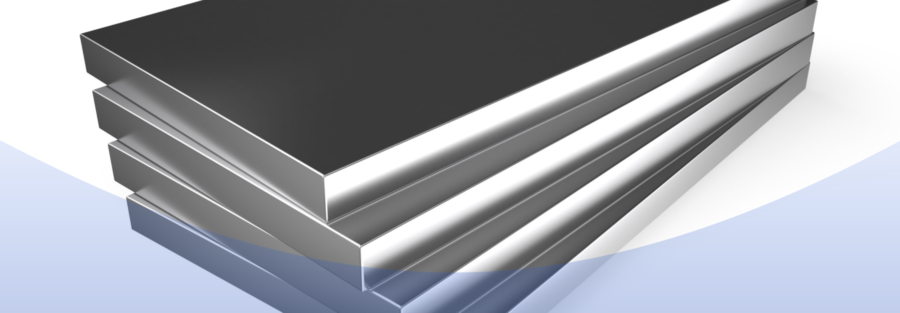
A titanium sheet is a flat metal sheet made from titanium material or titanium alloys. It is strong, lightweight, and highly resistant to corrosion and heat.
In simple words:
👉 A titanium sheet is a durable, lightweight metal sheet used in advanced engineering projects.
Titanium sheets come in different thicknesses and grades depending on the application.
2. Why Is Titanium Sheet So Popular?
Titanium sheet is popular because it offers a rare combination of strength, lightness, and long-term durability. Engineers and manufacturers choose titanium sheets when they need a metal that can survive tough environments without rusting or weakening.
It is also safe for medical and food-related applications, making it one of the most widely used specialty metals today.
3. Titanium Properties That Matter for Buyers
When choosing a titanium sheet, buyers often look at the following titanium properties:
- High strength with low weight
- Excellent corrosion resistance
- High temperature resistance
- Non-toxic and biocompatible
- Long lifespan with minimal maintenance
- Easy to fabricate and weld
These properties make titanium a dependable material for critical applications.
4. Common Titanium Alloys Used in Sheets
Titanium sheets are available in several grades depending on strength and corrosion requirements. The most commonly used titanium alloys are:
- Grade 1 Titanium – Soft, best for cold forming
- Grade 2 Titanium – Best for general corrosion resistance
- Grade 5 Titanium (Ti-6Al-4V) – Strongest alloy, used in aerospace
- Grade 7 Titanium (Ti-0.2Pd) – Excellent chemical resistance
- Grade 12 Titanium (Ti-0.3Mo-0.8Ni) – Ideal for high temperatures and chemical processing
Each grade offers different benefits for structural, marine, medical, or industrial use.
5. Where Is Titanium Sheet Used?
Titanium sheet is used in many industries because it is strong, lightweight, and corrosion-resistant.
Aerospace Industry
Titanium sheet is used for aircraft skin panels, structural parts, and engine components because it is both strong and lightweight. It helps improve fuel efficiency and reduces overall aircraft weight without compromising safety.
Marine Equipment
Titanium material resists corrosion in saltwater, making it ideal for ship parts, offshore platforms, and subsea equipment. Its long-term durability reduces maintenance needs and extends the lifespan of marine structures.
Chemical Processing
Titanium sheets are used for heat exchangers, storage tanks, and reactors because they do not react with harsh chemicals. This prevents material contamination and ensures safe handling of corrosive fluids.
Medical Industry
Titanium is biocompatible, making sheets suitable for surgical tools, implant parts, and device housings. Its non-toxic nature ensures it remains safe for long-term contact with the human body.
Energy & Power Plants
Titanium sheets are used in condensers, heat exchangers, and desalination systems due to their ability to withstand extreme temperatures. They help improve system efficiency and reduce corrosion-related shutdowns.
Automotive & Motorsport
Titanium alloys are used in racing vehicles and performance cars to reduce weight and increase strength. This leads to improved acceleration, handling, and fuel efficiency in high-speed applications.
Industrial Manufacturing
Titanium sheets are used for machine parts, protective covers, and custom fabrications that require durability. Their resistance to wear makes them ideal for heavy-duty production environments.
5. Benefits of Choosing Titanium Sheet
Titanium sheet offers several advantages for engineering and manufacturing:
- Stronger than aluminum and lighter than steel
- Resistant to rust, chemicals, and seawater
- Performs well at high temperatures
- Long service life reduces maintenance costs
- Safe for medical and food applications
For buyers, this means better performance, lower lifetime costs, and more reliable equipment.
Titanium sheet is a powerful material choice for industries that demand strength, safety, and long-term reliability. With excellent titanium properties, multiple titanium alloys, and proven performance across many sectors, titanium sheets are a smart choice for modern engineering projects.
6. FAQs
Titanium sheets are widely used in aerospace, marine, chemical processing, medical equipment, and high-performance automotive sectors.
These industries choose titanium because it provides long-lasting strength and corrosion resistance in environments where other metals fail.
Titanium sheets are lighter and more corrosion-resistant than stainless steel, especially in harsh or high-temperature environments.
This makes titanium a preferred choice for engineering applications that require extreme durability and low weight.
The most commonly used alloys include Grade 2 titanium for corrosion resistance and Grade 5 (Ti-6Al-4V) for high strength.
Buyers often choose the alloy based on whether they need superior strength, chemical resistance, or easier fabrication.
Titanium sheets can last for decades because they resist rust, chemical attack, and wear. Their long lifespan makes them one of the most cost-effective materials for industrial projects despite higher upfront costs.
You can source high-quality titanium sheets from experienced titanium sheet suppliers who offer certified grades and custom sizing.
Choosing a trusted supplier ensures you receive genuine titanium material suitable for engineering and industrial applications.