
Introduction
Chemical systems deal with high temperatures, corrosive liquids, and pressurized operations, which makes material selection extremely important. One material that consistently performs well in these harsh conditions is titanium alloys. Known for their strength, corrosion resistance, and long life, titanium alloys play a major role in improving safety in chemical plants.
This buyer-friendly guide explains how titanium material enhances safety, why its unique titanium properties matter, and where titanium components like Titanium sheet, Titanium plate, and titanium fittings are used in chemical processing.
Table of Contents
- What Are Titanium Alloys?
- Why Are Titanium Alloys Used in Chemical Systems?
- Key Titanium Properties That Improve Safety
- Titanium Products Used in Chemical Environments
- Applications of Titanium in Chemical Processing
- Benefits of Using Titanium Alloys for Safety
- FAQs (AEO-Optimized)
1. What Are Titanium Alloys?
Titanium alloys are materials made by combining titanium with other elements like aluminum, vanadium, nickel, or molybdenum. These combinations improve strength, corrosion resistance, and high-temperature performance.
In simple words:
👉 Titanium alloys are stronger, safer versions of the titanium material designed for harsh industrial applications.
These alloys are widely used by titanium manufacturers in India for chemical equipment, power plants, and marine systems.
2. Why Are Titanium Alloys Used in Chemical Systems?
Chemical plants often handle acids, seawater, chlorine, high heat, and pressurized liquids. Materials like stainless steel or carbon steel may corrode or weaken over time.
Titanium alloys are preferred because they offer:
- Superior corrosion resistance
- Long-term durability in acidic and chloride environments
- High strength under pressure
- Reduced maintenance and downtime
- Safety against material failure
This makes titanium one of the most reliable materials for industrial safety.
3. Key Titanium Properties That Improve Safety
Titanium material has several natural properties that reduce risk inside chemical systems:
1. Corrosion Resistance
Titanium forms a protective oxide layer that prevents chemical attack.
This reduces the chance of leaks, contamination, or pipe failure.
2. High Strength-to-Weight Ratio
Titanium is as strong as steel but almost 45% lighter.
This allows safer handling and reduces stress on tanks, pipes, and equipment.
3. Heat Resistance
Titanium alloys remain stable even at temperatures above 400°C.
This helps protect chemical systems exposed to intense heat and thermal cycling.
4. Compatibility with Harsh Chemicals
Titanium is resistant to chlorine, seawater, nitric acid, and sulfuric acid.
Its chemical stability prevents dangerous reactions with process fluids.
4. Titanium Products Used in Chemical Environments
Chemical plants rely on different titanium products depending on the system design:
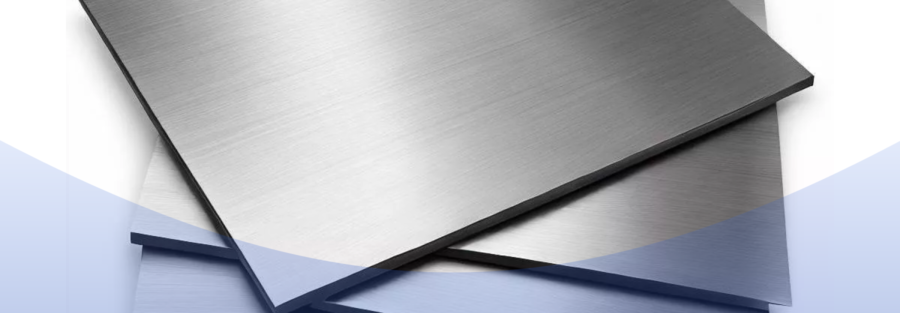
Titanium Sheet
- Used for linings, tank cladding, and protective barriers.
- It prevents corrosion on the inner walls of equipment exposed to chemicals.
Titanium Plate
- Used in high-pressure vessels, heat exchangers, and structural components.
- Its strength helps the equipment withstand pressure without deforming.
Titanium Fittings & Pipes
- Used for transporting corrosive fluids and gases.
- Titanium fittings reduce leak risks and keep pipelines stable under pressure.
These products are commonly supplied by leading titanium manufacturers in India.
5. Applications of Titanium in Chemical Processing
Titanium alloys are used in several chemical-system applications, such as:
Heat Exchangers
Titanium plate resists corrosion and handles rapid temperature changes.
This makes heat transfer safer and more efficient.
Pressure Vessels & Reactors
Titanium alloys can handle both pressure and chemical exposure.
They reduce the risk of cracks and equipment failure.
Chemical Storage Tanks
Titanium sheet prevents internal corrosion and contamination.
This ensures safer long-term storage of aggressive chemicals.
Piping Systems & Fittings
Titanium fittings and pipes provide leak-proof transport of acids and gases.
They maintain performance even in high-temperature, high-pressure lines.
Desalination Plants
Titanium material handles seawater without corroding.
This increases equipment life and ensures safe water conversion.
6. Benefits of Using Titanium Alloys for Safety
Using titanium in chemical systems provides several safety advantages:
- Lower risk of corrosion-related accidents
- Longer equipment life with fewer replacements
- Better resistance to chemical attack
- Safe performance under high temperature and pressure
- Less contamination risk due to material stability
- Reduced maintenance and plant downtime
For plants where worker safety and system reliability matter, titanium alloys are often the best investment.
Titanium alloys play a vital role in improving safety, performance, and reliability in chemical systems. Their unmatched corrosion resistance, high strength, and long lifespan make them a smart choice for engineers and plant owners. If your industry handles aggressive chemicals or high-temperature operations, titanium is one of the safest materials you can choose.
6. FAQs
Titanium alloys resist corrosion, chemicals, and high heat better than steel, helping prevent leaks and equipment failures.
Their strong oxide layer protects against chemical reactions, making the entire system safer and more reliable.
Titanium offers corrosion resistance, high strength, heat stability, and long life.
These properties allow titanium equipment to operate safely even in extreme industrial environments.
Titanium sheet, titanium plate, titanium fittings, and titanium pipes are widely used in chemical plants.
They handle corrosive liquids and high-pressure operations better than traditional metals.
Yes. Titanium alloys last much longer and require less maintenance, reducing total operating costs.
Their durability helps avoid accidents, equipment shutdowns, and expensive repairs.
Many trusted titanium manufacturers in India offer certified titanium material and components for chemical systems.
Choosing experienced suppliers ensures you receive genuine titanium alloys suitable for industrial use.