- Home
- Products
- Plates, Sheets & Coils
- Plate Circles, Rings, Forgings
Plate Circles, Rings, Forgings
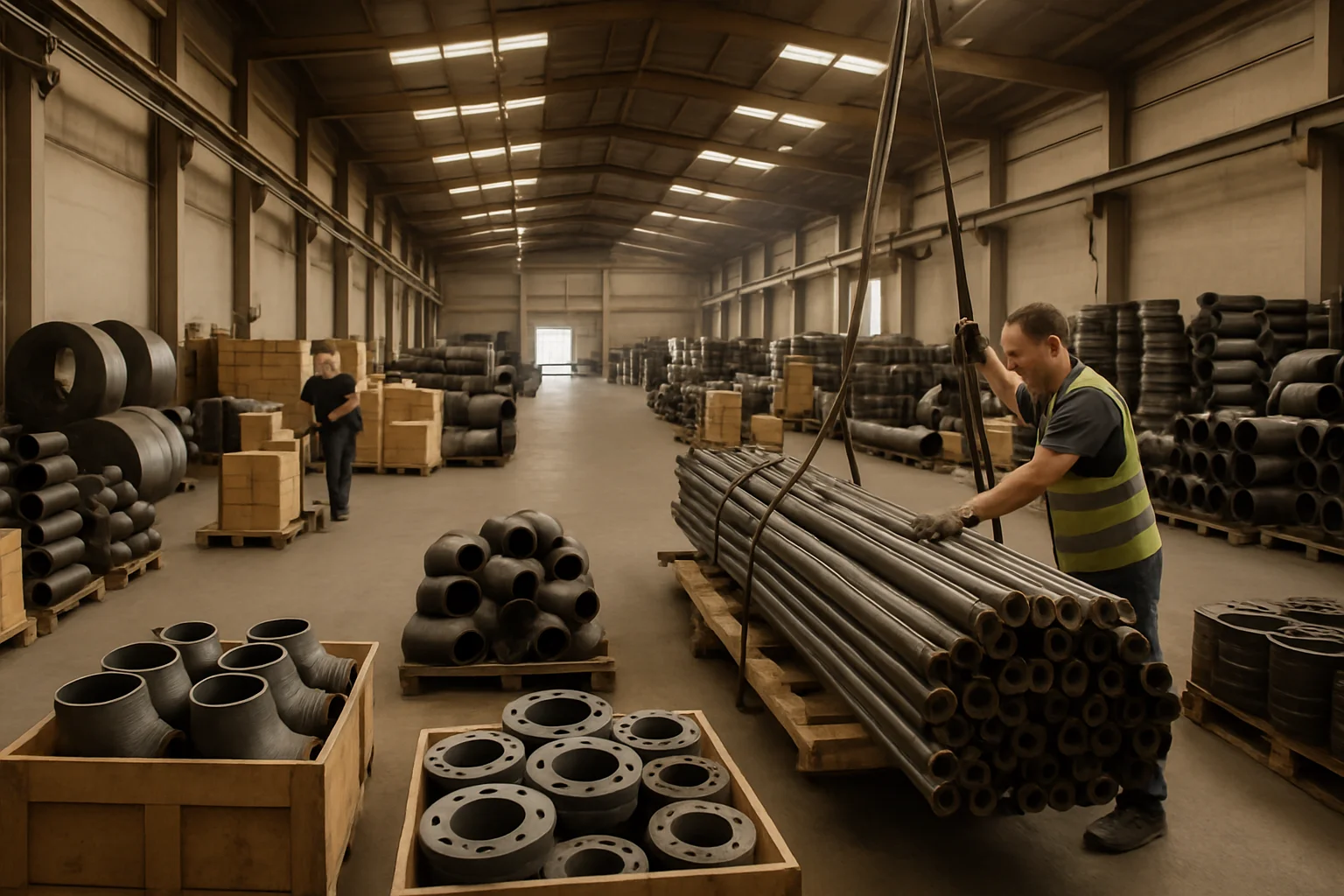
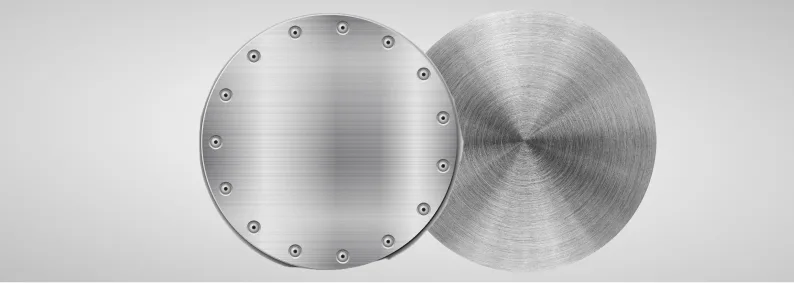
Plate circles, rings and forgings from Riyaarth Overseas. Forged plates, circles and rings built for oil & gas, chemical processing, power generation and construction work.
What to check before you order
These are the questions our team works through with yours before confirming a plate circle, ring or forging order.
- Confirm whether a cut circle, forged ring or rolled ring suits the application
- Decide the machining allowance needed for final finishing
- Check whether the part sits in a pressure-bearing or structural duty
- Review the industry the finished component will serve
- W
- Width
- H
- Height
- T
- Thickness
What these forged forms are used for
Knowing where a plate circle, ring or forging sits in your assembly helps decide how it should be specified and checked.
Plate circles, rings and forgings are used where a flat or ring-shaped section needs to carry load, seal a joint, or form the base of a larger fabricated part. Circles are commonly machined into flanges, covers, and blanks. Rings serve as starting stock for flanges, bearing races, and other rotationally symmetric components. Forgings give a denser, more directional grain structure than plate cut to shape, which matters in parts that see pressure cycling or mechanical stress.
Where plate circles, rings and forgings are used
Matching the product form to the application avoids over- or under-specifying material.
How plate circles and rings are formed
The way a circle or ring is cut and shaped affects its grain flow and how it performs once machined and put into service.
Plate circles are typically cut from rolled plate stock to the required diameter and thickness. Rings are produced either by cutting a circle and boring a center hole, or by forging a donut-shaped blank and rolling it to final dimensions, which keeps grain flow running circumferentially rather than across the cut. Forging shapes material under compressive force, which closes internal voids and refines grain structure compared to as-cast material. The right choice depends on the stresses the finished part will carry.
Frequently asked questions
What is the difference between a plate circle and a forged ring?
A plate circle is typically cut from rolled plate to a round shape. A forged ring is shaped under compressive force, often from a pierced forged blank that is then rolled to size, giving it circumferential grain flow rather than the grain pattern of cut plate.
Which industries use these forged forms?
Our work covers oil & gas, chemical processing, power generation and construction, and plate circles, rings and forgings supply blanks and components across all four.
Does Riyaarth Overseas supply both the circle stock and the finished ring?
We manufacture, export and supply ferrous and non-ferrous metals including plate circles, rings and forgings from Mumbai. Share your grade, form and standard requirement and our team will work through it with you before anything ships.
Ready to specify your plate circle, ring or forging?
Tell us the grade, form and standard you need. We work through verification with your team before anything ships.