
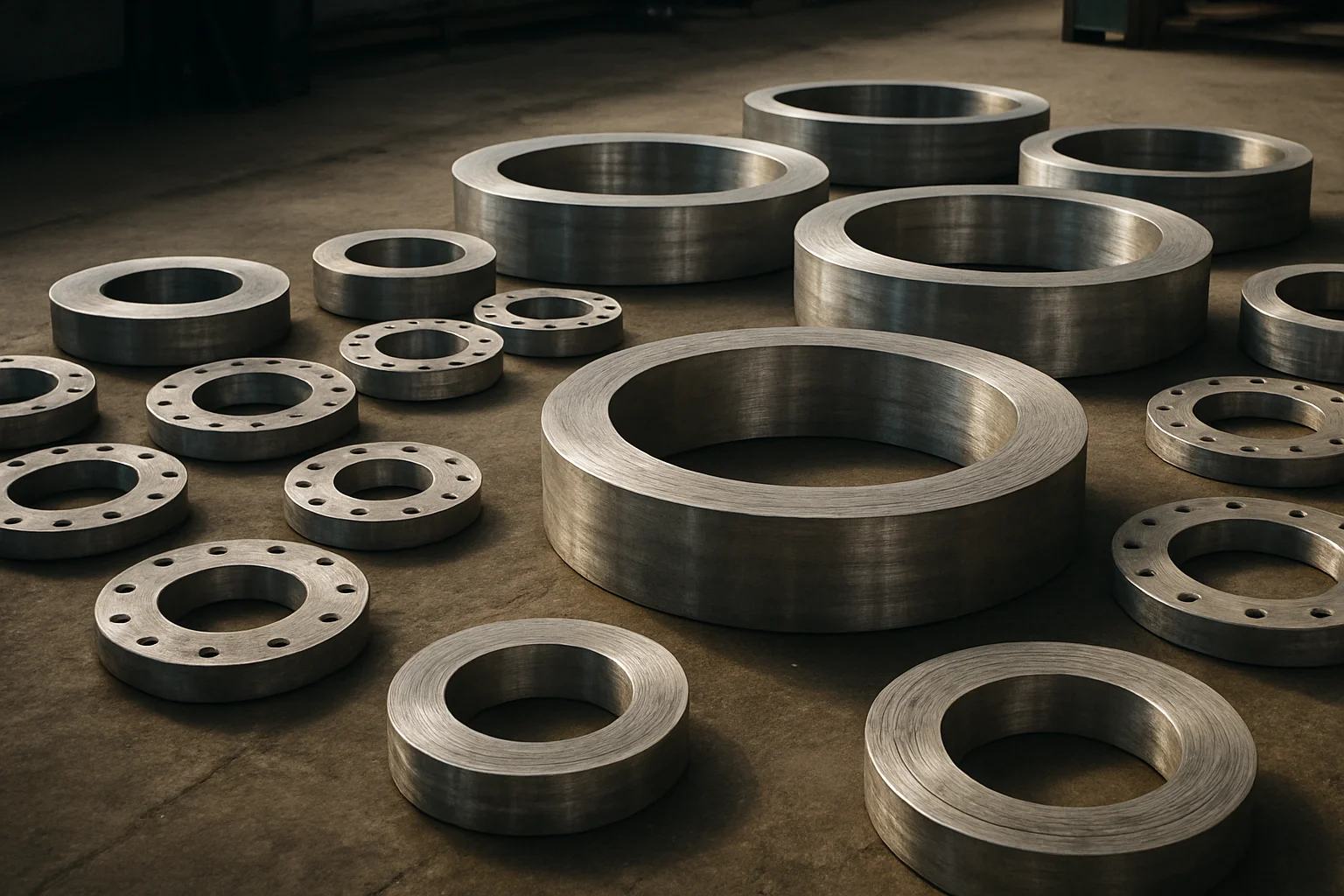
Stainless Steel 17.4PH, 15.5PH Round Bars
Explore Stainless Steel 17-4 PH and 15-5 PH Round Bars known for high strength, corrosion resistance, and durability. Perfect for aerospace, marine, and industrial use…
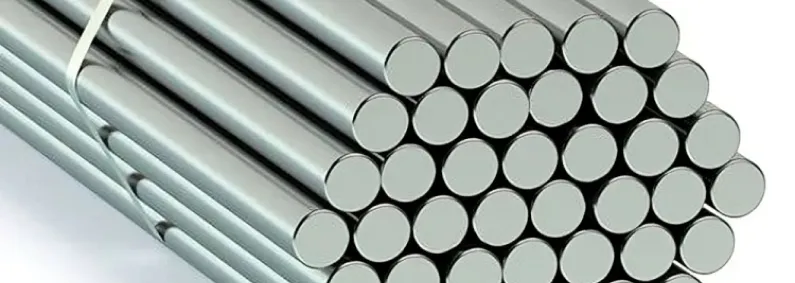
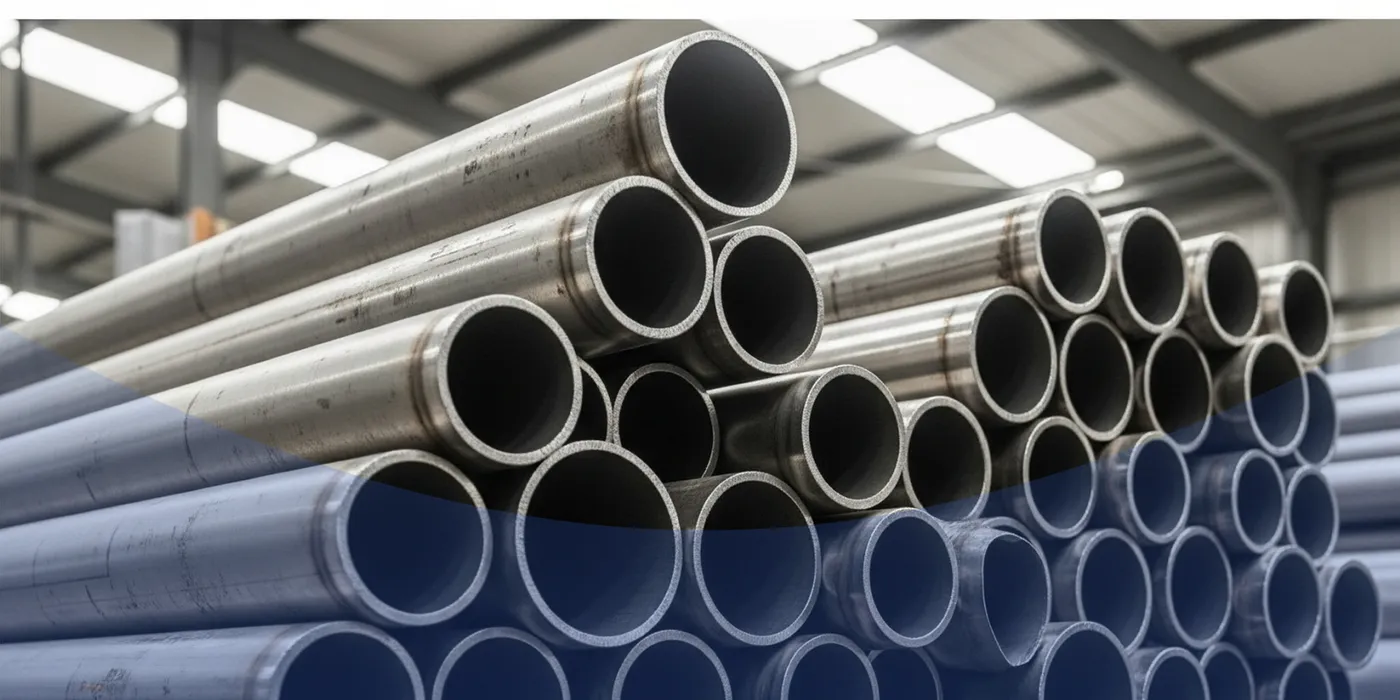
Stainless Steel 17-4PH and 15-5PH round bars are widely recognized for their exceptional mechanical properties, corrosion resistance, and high strength. These precipitation-hardening stainless steels are designed for applications requiring superior performance in demanding environments such as aerospace, marine, chemical, and power generation industries.
Stainless Steel 17-4PH Round Bars
Stainless Steel 17-4PH (UNS S17400) is a martensitic precipitation-hardening stainless steel that offers a unique combination of high strength, corrosion resistance, and good mechanical properties. It is particularly noted for its ability to be heat treated to various strength levels.
Key Features of Stainless Steel 17-4PH
- High Strength and Hardness: Exceptional mechanical properties achieved through heat treatment.
- Corrosion Resistance: Comparable to Type 304 in most environments, with added resistance to stress corrosion cracking.
- Versatility: Suitable for machining and welding.
- Heat Treatment Flexibility: Tailored to achieve specific mechanical properties.
Chemical Composition of Stainless Steel 17-4PH
Chemical Composition
| Element | Percentage |
|---|---|
| Chromium (Cr) | 15.0-17.5 |
| Nickel (Ni) | 3.0-5.0 |
| Copper (Cu) | 3.0-5.0 |
| Carbon (C) | 0.07 (maximum) |
| Manganese (Mn) | 1.0 (maximum) |
| Silicon (Si) | 1.0 (maximum) |
| Phosphorus (P) | 0.04 (maximum) |
| Sulfur (S) | 0.03 (maximum) |
Stainless Steel 15-5PH Round Bars
Stainless Steel 15-5PH (UNS S15500) is a refined version of 17-4PH, offering enhanced toughness and improved ductility. It is commonly used in applications requiring excellent corrosion resistance, high strength, and superior fatigue properties.
Key Features of Stainless Steel 15-5PH
- Improved Toughness: Superior ductility and impact resistance compared to 17-4PH.
- Corrosion Resistance: Outstanding resistance to both atmospheric and chemical corrosion.
- Enhanced Mechanical Properties: Stronger and tougher under repeated loads.
- Heat Treatment: Excellent flexibility for achieving desired mechanical properties.
Chemical Composition of Stainless Steel 15-5PH
Chemical Composition
| Element | Percentage |
|---|---|
| Chromium (Cr) | 14.0-15.5 |
| Nickel (Ni) | 3.5-5.5 |
| Copper (Cu) | 2.5-4.5 |
| Carbon (C) | 0.07 (maximum) |
| Manganese (Mn) | 1.0 (maximum) |
| Silicon (Si) | 1.0 (maximum) |
| Phosphorus (P) | 0.04 (maximum) |
| Sulfur (S) | 0.03 (maximum) |
Mechanical Properties
Stainless Steel Comparison
| Property | 17-4PH | 15-5PH |
|---|---|---|
| Tensile Strength (MPa) | 930-1310 | 1030-1380 |
| Yield Strength (MPa) | 725-1100 | 860-1170 |
| Elongation (%) | 10-15 | 10-15 |
| Hardness (HRC) | Up to 44 | Up to 45 |
Available Forms
- Round Bars: Precision-engineered for high-performance applications.
- Flat Bars: For structural and industrial uses.
- Square Bars: Ideal for precision engineering.
- Hex Bars: Suitable for fasteners and custom designs.
- Custom Sizes: Manufactured to meet specific project requirements.
Manufacturing Standards
- ASTM A564: Specification for high-strength precipitation-hardening stainless steel bars.
- AMS 5643: Aerospace specification for 17-4PH stainless steel.
- AMS 5659: Aerospace specification for 15-5PH stainless steel.
Marking & Packaging
- Marking: Each bar is marked with grade, size, heat number, and batch number for full traceability.
- Packaging: Packed in wooden crates or wrapped in corrosion-resistant materials to ensure safe transit.
Applications of Stainless Steel 17.4PH, 15.5PH Round Bars
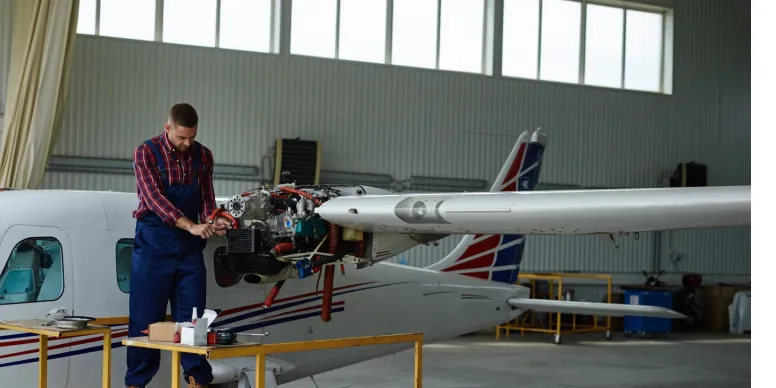

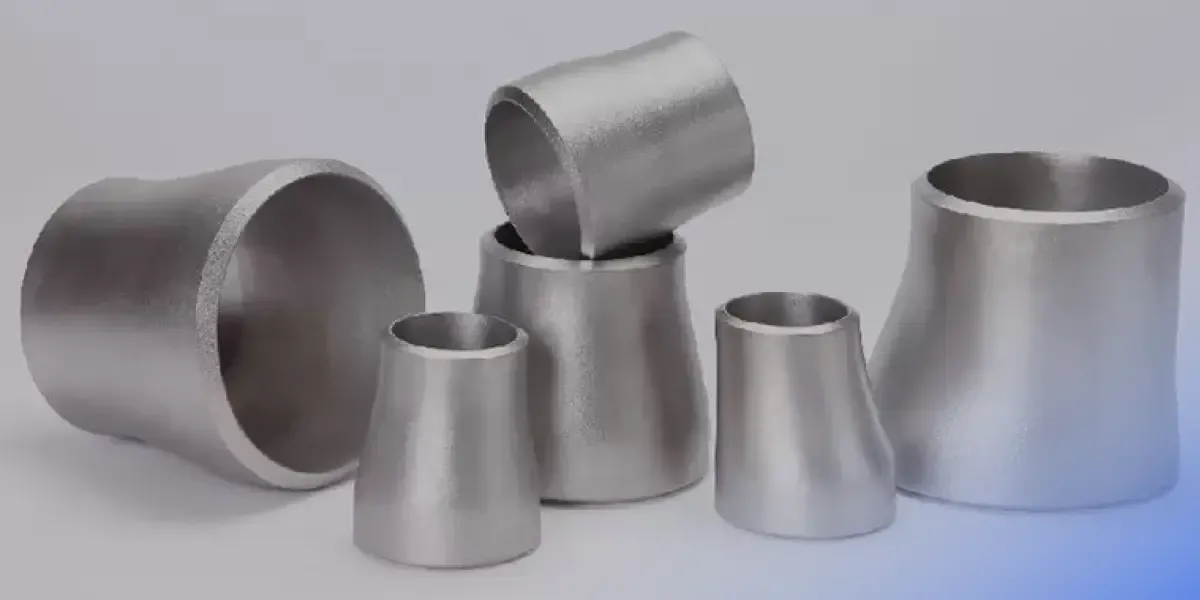
- Medical equipment
- Power generation parts
- High-performance fasteners
Frequently asked questions
What is the main difference between 17-4PH and 15-5PH round bars?
15-5PH offers improved toughness and ductility compared to 17-4PH, making it more suitable for applications requiring superior fatigue resistance.
Can 17-4PH and 15-5PH round bars be heat treated?
Yes, both grades can be heat treated to achieve specific mechanical properties, such as increased strength or toughness.
Which grade is better for aerospace applications?
Both grades are commonly used in aerospace; however, 15-5PH is often preferred for components requiring higher toughness and fatigue resistance.