
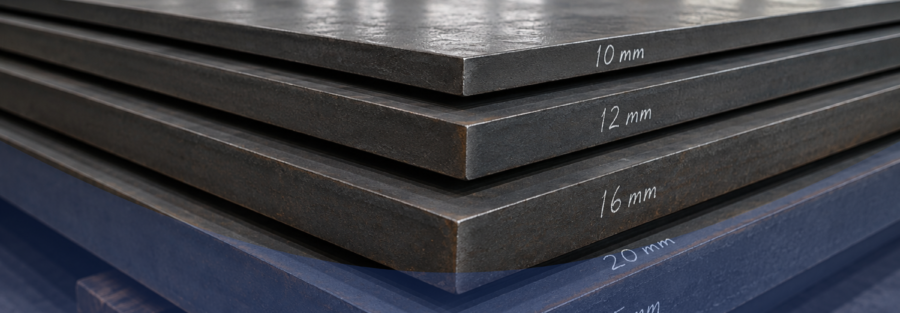
Selecting the right ASTM A516 Grade 70 Boiler Plate thickness is one of the most important steps in building safe and durable pressure equipment. Whether you are manufacturing a boiler, pressure vessel, storage tank, or heat exchanger, the correct thickness helps improve performance, safety, and service life. If you are looking for a trusted boiler plate manufacturer in Mumbai, understanding these factors will help you choose the right material for your project.
This guide explains how to select the right thickness, what affects the decision, and what buyers should check before placing an order.
What Is ASTM A516 Grade 70 Boiler Plate?
ASTM A516 Grade 70 Boiler Plate is a carbon steel plate designed for pressure vessel applications that operate at moderate and low temperatures. It offers high strength, excellent weldability, and good toughness, making it one of the most widely used pressure vessel steel plates across industries.
Common applications include:
- Boilers
- Pressure vessels
- Heat exchangers
- Storage tanks
- Chemical processing equipment
- Oil and gas plants
- Power generation units
Why Is Boiler Plate Thickness Important?
The thickness of a boiler plate directly affects its ability to handle pressure and operating conditions. Choosing the wrong thickness can lead to higher costs or safety concerns.
The right thickness helps:
- Handle design pressure safely
- Improve equipment durability
- Reduce maintenance costs
- Meet ASME and ASTM standards
- Increase operational reliability
How to Select ASTM A516 Grade 70 Boiler Plate Thickness?
1. What Pressure Will the Equipment Handle?
Pressure is the first factor engineers consider.
Higher operating pressure requires a thicker ASTM A516 Grade 70 plate to safely withstand internal loads. Engineering calculations determine the exact thickness required.
2. What Is the Operating Temperature?
Although ASTM A516 Grade 70 performs well in moderate and lower temperatures, operating conditions still influence thickness selection.
Higher temperatures may require design adjustments to maintain strength and safety.
3. How Large Is the Pressure Vessel?
Larger vessels experience greater stress because of their size.
As the vessel diameter increases, engineers often recommend thicker boiler quality steel plates to maintain structural stability.
4. Will Corrosion Affect the Plate?
Many industries handle steam, chemicals, moisture, or corrosive fluids.
To compensate for material loss over time, designers include a corrosion allowance by selecting a slightly thicker carbon steel boiler plate.
5. Which Design Standards Apply?
Always select thickness according to:
- ASTM A516 specifications
- ASME Boiler and Pressure Vessel Code
- Project engineering drawings
- Customer specifications
Following these standards ensures safety and regulatory compliance.
6. Is Welding Part of the Fabrication Process?
Thicker plates require more welding time, heat input, and inspection.
Choosing the correct thickness improves fabrication efficiency while maintaining mechanical performance.
Standard Thickness Range of ASTM A516 Grade 70 Boiler Plate
The available thickness depends on project requirements and manufacturer capabilities. Common ranges include:
| Application | Typical Thickness |
|---|---|
| Small pressure vessels | 6 mm to 16 mm |
| Medium industrial equipment | 16 mm to 40 mm |
| Heavy pressure vessels | 40 mm to 100 mm or more |
The final selection should always be based on engineering calculations rather than general recommendations.
What Should You Check Before Buying Boiler Plates?
When purchasing from a Boiler Plate manufacturer in Mumbai, verify the following:
- ASTM A516 Grade 70 certification
- Material Test Certificate (MTC)
- Chemical composition
- Mechanical properties
- Plate dimensions and tolerances
- Surface finish
- Mill certification
- Custom size availability
- Delivery capability
Choosing a reliable supplier ensures consistent product quality and long-term performance.
Why Is ASTM A516 Grade 70 So Popular?
Industries prefer this pressure vessel plate because it offers:
- Excellent tensile strength
- High weldability
- Good notch toughness
- Reliable pressure resistance
- Long service life
- Easy fabrication
- Cost-effective performance
- Wide industrial acceptance
These benefits make it one of the most trusted materials for pressure vessel manufacturing worldwide.
How Can You Choose the Right Boiler Plate Manufacturer in Mumbai?
A reliable supplier should provide certified materials, complete documentation, timely delivery, and technical support. Look for manufacturers with experience in supplying ASTM A516 Grade 70 Boiler Plates, custom sizes, and compliance with international quality standards. This ensures your project receives high-quality materials that meet performance and safety requirements.
Choosing the correct ASTM A516 Grade 70 Boiler Plate thickness depends on operating pressure, temperature, vessel size, corrosion allowance, and applicable design codes. The right thickness improves safety, extends equipment life, and reduces unnecessary material costs.
If you are searching for a dependable Boiler Plate manufacturer in Mumbai, always select a supplier that offers certified ASTM A516 Grade 70 plates, strict quality control, and technical guidance to help you choose the right thickness for your industrial application.
Frequently Asked Questions
1. How do I select the correct ASTM A516 Grade 70 Boiler Plate thickness?
The required thickness depends on operating pressure, temperature, vessel dimensions, corrosion allowance, and ASME design calculations. An engineering assessment ensures the safest and most economical thickness for the application.
2. Why is ASTM A516 Grade 70 widely used for pressure vessels?
ASTM A516 Grade 70 offers excellent strength, weldability, toughness, and reliable performance under pressure. These properties make it suitable for boilers, heat exchangers, storage tanks, and industrial pressure vessels.
3. What should I verify before purchasing a boiler plate?
Always check the Material Test Certificate, ASTM compliance, mechanical properties, chemical composition, dimensions, and supplier certifications. Buying from a trusted Boiler Plate manufacturer in Mumbai ensures consistent quality and dependable performance.
4. Can thicker boiler plates improve equipment performance?
A thicker plate can withstand higher pressure, but unnecessary thickness increases weight and fabrication costs. The ideal thickness should always match the equipment’s design requirements and applicable standards.
5. Which industries commonly use ASTM A516 Grade 70 Boiler Plates?
These boiler plates are widely used in oil and gas, petrochemical, power generation, chemical processing, fertilizer, pharmaceutical, and heavy engineering industries. Their durability and pressure resistance make them a preferred material for critical industrial equipment.