
S355J2 High Tensile Carbon Steel Plates
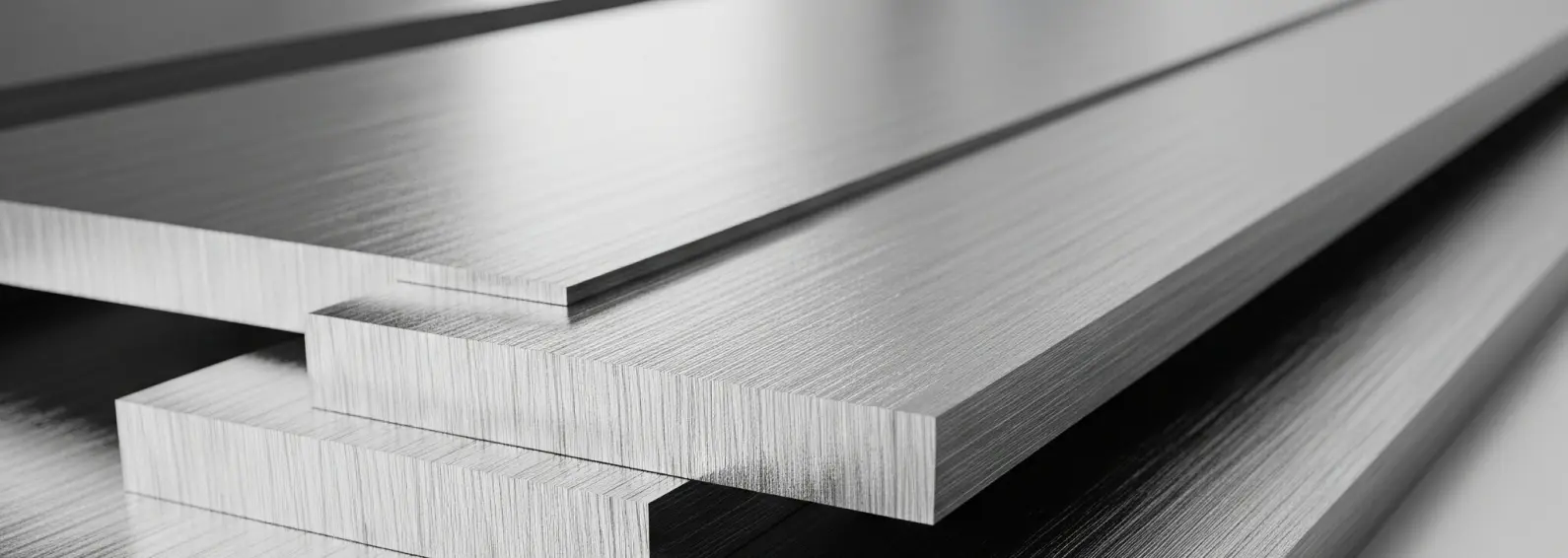
In global infrastructure and heavy engineering projects, material selection often extends beyond strength alone. Engineers frequently require structural steel that can demonstrate both load-bearing capability and verified performance under low-temperature and impact-loading conditions. This is where S355J2 High Tensile Carbon Steel Plates are commonly specified.
Manufactured to EN 10025-2 standards, S355J2 is widely used in bridges, offshore structures, power plants, mining facilities, transportation infrastructure, and export-oriented fabrication projects. The grade combines a minimum yield strength of 355 MPa with certified Charpy impact properties at -20°C, making it suitable for applications where structural reliability is critical.
IS 2062 E350C is considered a commonly used Indian equivalent of EN 10025 S355J2 for many structural applications, although the standards and testing requirements differ. Due to its international acceptance, documented toughness characteristics, and excellent weldability, S355J2 remains a preferred material for EPC contractors, engineering consultants, and fabricators working on demanding industrial projects.
Mechanical Properties
| Property | Value | Unit |
|---|---|---|
| Yield Strength (min.) | 355 | MPa |
| Tensile Strength | 470 – 630 | MPa |
| Elongation (min.) | 22 | % |
| Impact Value | 27 J at -20°C | Joules |
| Hardness | ~140 – 210 | HB |
| Density | 7.85 | g/cm³ |
| Modulus of Elasticity | 210 | GPa |
Chemical Composition
| Element | Max. Content (%) |
|---|---|
| Carbon (C) | 0.24 |
| Manganese (Mn) | 1.60 |
| Silicon (Si) | 0.55 |
| Phosphorus (P) | 0.035 |
| Sulfur (S) | 0.035 |
| Nitrogen (N) | 0.012 |
The controlled chemistry contributes to excellent weldability, toughness, and structural reliability while maintaining high strength characteristics.
Equivalent Grades
S355J2 is often compared with:
- IS 2062 E350C (commonly used Indian equivalent for structural applications)
- ASTM A572 Grade 50
- ASTM A588
- JIS SM490B
Equivalent grades should always be verified against project design requirements, impact testing specifications, and applicable engineering codes.
Applications
S355J2 High Tensile Carbon Steel Plates are extensively used in projects requiring superior structural performance and impact resistance:
- Bridge Construction & Infrastructure Projects — Used in bridge girders, support members, flyovers, elevated structures, and transportation infrastructure where strength and toughness are critical for long-term performance.
- Heavy Structural Fabrication — Applied in industrial buildings, fabrication structures, process plants, pipe racks, and heavy steel frameworks designed to withstand substantial operational loads.
- Offshore & Marine Structures — Used in offshore platforms, support structures, marine equipment, and coastal infrastructure where material toughness and reliability are essential under challenging environmental conditions.
- Mining & Material Handling Equipment — Utilized in crushers, conveyor systems, transfer stations, stackers, reclaimers, and mining support structures subjected to dynamic loading and continuous operation.
- Power Generation Facilities — Structural platforms, equipment supports, maintenance structures, and fabrication assemblies in thermal, renewable, and industrial power plants.
- Heavy Engineering & Equipment Manufacturing — Machine bases, equipment frames, industrial fabrication assemblies, and load-bearing engineering components requiring high structural integrity.
- Oil & Gas Industry Projects — Structural supports, processing facilities, storage terminals, and fabrication-intensive infrastructure where reliable performance is essential.
- EPC & Export-Oriented Projects — Frequently specified by international engineering consultants due to widespread acceptance of EN 10025 standards across global markets.
Weldability & Processing
-
Weldability:
S355J2 offers excellent weldability and is suitable for a wide range of fabrication processes.
- Compatible with SMAW, SAW, FCAW, MIG, and TIG welding.
- Low carbon content helps reduce susceptibility to weld cracking.
- Suitable for both shop fabrication and field installation projects.
- Supports fabrication of complex structural assemblies and heavy welded constructions.
-
Forming & Machining:
The material can be processed using conventional fabrication techniques.
- Excellent suitability for laser, plasma, and oxy-fuel cutting.
- Good cold-forming characteristics for structural fabrication.
- Suitable for machining, drilling, bending, and rolling operations.
- Maintains dimensional stability during fabrication and assembly.
S355J2 vs IS 2062 E350C
| Property | S355J2 | IS 2062 E350C |
|---|---|---|
| Standard | EN 10025-2 | IS 2062 |
| Yield Strength | 355 MPa | 350 MPa |
| Impact Requirement | 27 J at -20°C | Impact-tested grade |
| International Acceptance | Very High | Primarily India |
| Offshore Usage | Common | Limited |
| EPC Project Preference | High | Moderate |
Quality Assurance
- Mechanical Testing —Each S355J2 plate undergoes testing for yield strength, tensile strength, elongation, and impact toughness as specified by EN 10025-2. These tests verify compliance with structural and engineering requirements. Mechanical testing ensures the material can perform reliably under static loads, dynamic stresses, and demanding environmental conditions encountered in heavy industrial applications.
- Dimensional Accuracy —Plates are inspected for thickness tolerance, flatness, width, length, and surface condition to ensure compliance with manufacturing standards. Dimensional precision is critical for fabrication quality and structural fit-up. Consistent dimensions improve fabrication efficiency, reduce assembly issues, and minimize project delays during construction and installation.
- Weldability Tests —Material weldability is evaluated to ensure compatibility with common welding processes used in structural fabrication. Proper weld performance is essential for maintaining structural integrity throughout the service life of the component. Weldability assessments help ensure strong, defect-free joints capable of handling operational loads and environmental stresses.
FAQs
S355J2 is recognized globally due to its compliance with EN 10025 standards and its combination of high strength and certified low-temperature impact toughness. Many international consultants and EPC contractors include it as a preferred structural material. Its widespread availability and acceptance simplify procurement across multiple countries and project locations, making it a practical choice for multinational projects.
The higher yield strength of S355J2 allows engineers to reduce member sizes and plate thicknesses while maintaining required load-carrying capacity. This can reduce overall steel consumption and structural weight. Weight optimization often leads to savings in fabrication, transportation, erection, and foundation costs, particularly in large infrastructure and industrial projects.
Impact toughness ensures that the material can absorb sudden loading and resist brittle fracture at lower temperatures. This becomes especially important in bridges, offshore structures, and outdoor industrial facilities. Projects located in colder climates or subject to dynamic loading often require verified impact-tested materials to enhance safety and reliability.
Procurement teams should verify mechanical properties, Charpy impact test results, mill certifications, dimensional tolerances, and material traceability documentation. Stock availability and delivery capability should also be assessed. For critical projects, third-party inspection and independent verification of material certificates are often specified within procurement contracts.
Major demand comes from infrastructure, offshore, mining, power generation, heavy engineering, oil & gas, transportation, and industrial construction sectors. These industries require structural materials capable of handling demanding service conditions. The grade’s combination of strength, toughness, and fabrication performance makes it suitable for both domestic and export-oriented engineering projects worldwide.

Products
Industry We Serve
- Oil & Gas industries
- Chemical process industries
- Pump and valve in high pressure component
- Food industries
- Pulp and paper industry
- Aerospace industry
- Power plant
- Mechanical component
- Sugar industry
- Cement industry