
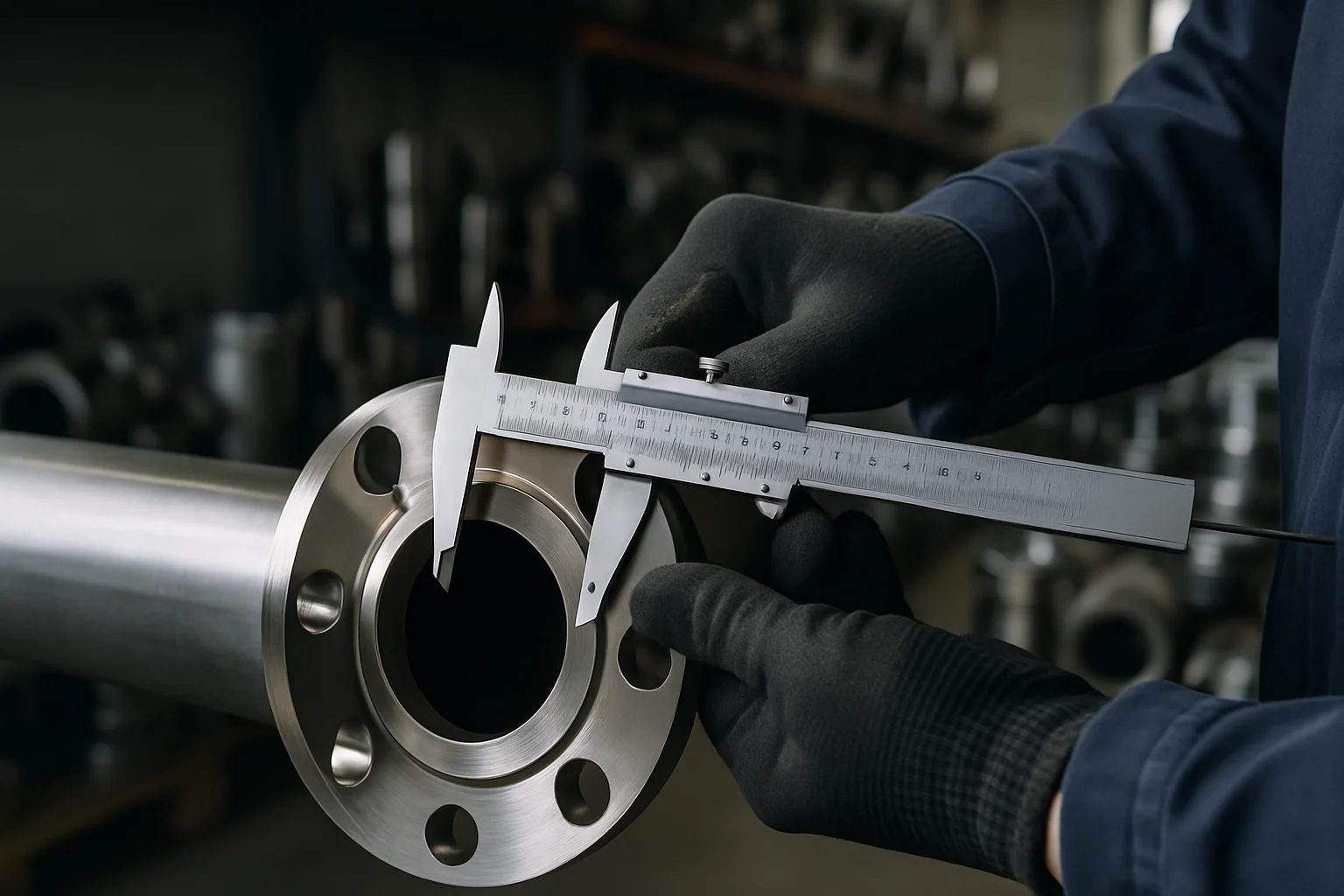
Aluminium Brass Tubes
Aluminium brass tubes, UNS C68700 (CuZn20Al2As, CZ110), to ASTM B111 and EN 12451 for condensers and coolers, supplied and exported by Riyaarth Overseas.
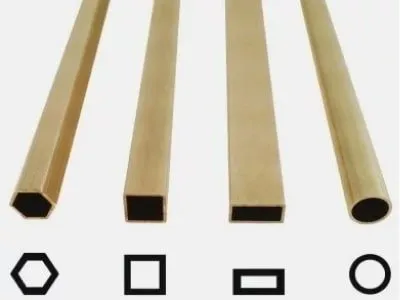
Aluminium brass, UNS C68700, is a copper-zinc alloy with about 22 percent zinc, 2 percent aluminium and a small arsenic addition. It is known in Europe as CW702R or CuZn20Al2As and in older British standards as CZ110. The aluminium forms a tough protective film that resists erosion and impingement, while arsenic inhibits dezincification.
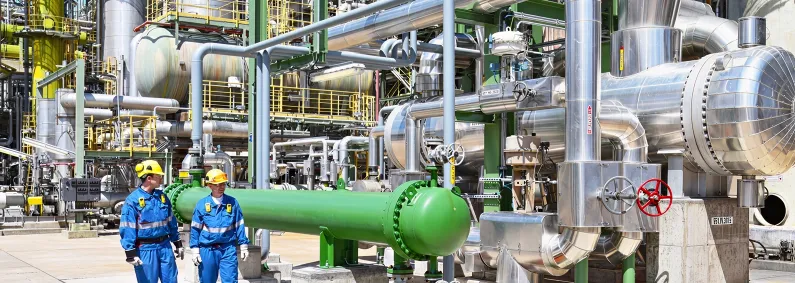
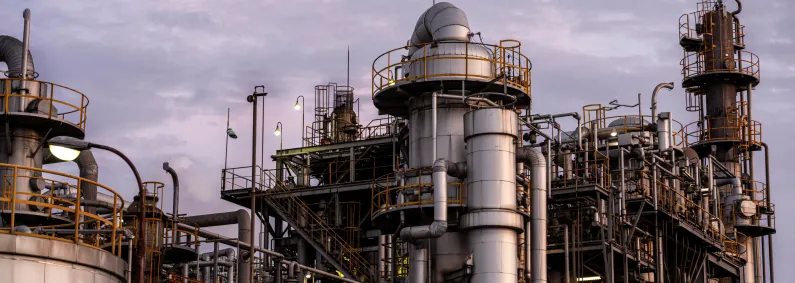
Aluminium brass tubes are made to ASTM B111 / ASME SB111 for condensers and heat exchangers and to EN 12451 for seamless round copper alloy tubes. They are widely used in power station condensers, refinery coolers and desalination plants that use clean seawater or brackish water.
Riyaarth Overseas supplies and exports aluminium brass tubes in straight lengths and U-bends for tube bundle manufacturers and plant maintenance teams.
Aluminium brass performs best in clean seawater at moderate velocities. In polluted water containing sulphides, or where cooling water velocity is high, copper nickel alloys are usually a better choice. Tubes are normally rolled into tube sheets of naval brass, aluminium bronze or clad steel, and inlet-end inserts can be fitted where erosion is a concern. When enquiring, please give the standard, OD, wall in BWG or mm, length and quantity.
Key Features
Erosion and impingement resistance: The aluminium-rich surface film gives better resistance to high-velocity water than admiralty brass.
Dezincification inhibited: An arsenic addition of 0.02 to 0.06 percent protects the alloy against loss of zinc in service.
Good thermal conductivity: Brass tubes transfer heat efficiently, which keeps condenser performance high.
Economical tube material: Aluminium brass costs less than copper nickel alloys and has a long service record in clean cooling water.
Specifications
| Parameter | Details |
|---|---|
| Standards | ASTM B111 / ASME SB111, EN 12451, BS 2871 Part 3 (former) |
| Grade / UNS | Aluminium brass, UNS C68700, CW702R, CuZn20Al2As, CZ110 |
| Outside diameter range | Tube from 6.35 mm (1/4 in) OD; sizes on enquiry |
| Wall thickness / schedule | BWG or mm as ordered |
| Length | Straight, fixed and cut lengths |
| Type | Seamless |
| Ends | Plain ends |
| Form / finish | Straight and U-bent tube; annealed (O61) |
| Test certificate | EN 10204 3.1 mill test certificate as standard; EN 10204 3.2 with third-party inspection on request |
Chemical Composition
| Element | Composition (%) |
|---|---|
| Copper (Cu) | 76.0 – 79.0 |
| Aluminium (Al) | 1.8 – 2.5 |
| Arsenic (As) | 0.02 – 0.06 |
| Lead (Pb) | 0.07 max |
| Iron (Fe) | 0.06 max |
| Zinc (Zn) | Remainder |
Limits for UNS C68700 as in ASTM B111.
Mechanical Properties
| Property | Value |
|---|---|
| Tensile strength (ASTM B111, annealed O61) | 50 ksi (345 MPa) min |
| Yield strength (ASTM B111, annealed O61) | 18 ksi (125 MPa) min |
| Density | 8.33 g/cm³ |
Equivalent Grades
| Standard | Designation |
|---|---|
| UNS | C68700 |
| EN | CW702R, CuZn20Al2As |
| BS (former) | CZ110 |
| JIS | C6870 |
| DIN | 2.0460 |
Testing and Inspection
Aluminium brass tubes are inspected to ASTM B111 or EN 12451 as ordered. Typical checks include:
- Eddy current test: Every tube is tested for wall defects.
- Hydrostatic or pneumatic test: Where specified.
- Expansion and flattening tests: Ductility checks on samples from each lot.
- Residual stress test: Mercurous nitrate or ammonia vapour test to confirm freedom from harmful residual stress.
- Chemical analysis: Including the arsenic level that inhibits dezincification.
- Dimensional and visual inspection: OD, wall, length and bore condition.
Why Choose Riyaarth Overseas
Riyaarth Overseas supplies aluminium brass tubes from ready stock and from established copper alloy tube mills, in straight lengths, U-bends and cut lengths to suit your bundle or piping layout. Every delivery carries EN 10204 3.1 mill test certificates with heat or lot numbers marked on the tubes.
We also supply admiralty brass and copper nickel tubes if your cooling water calls for a different alloy. Material is packed for export in wooden boxes with end caps, and we send prompt quotations against your tube sheets, bills of materials or specifications.
Applications
Frequently asked questions
What is aluminium brass?
Aluminium brass, UNS C68700, is a copper-zinc alloy with about 2 percent aluminium and a small arsenic addition, used mainly for condenser and heat exchanger tubes.
Why is arsenic added to aluminium brass?
A small amount of arsenic inhibits dezincification, a form of corrosion in which zinc is selectively removed and leaves weak, porous copper.
How does aluminium brass compare with admiralty brass?
Aluminium brass has better resistance to erosion and impingement and is preferred in seawater, while admiralty brass is used mainly in fresh water.
When should copper nickel be used instead of aluminium brass?
Copper nickel is preferred in polluted seawater, at higher flow velocities, or where ammonia in the steam can cause stress corrosion cracking of brass.