
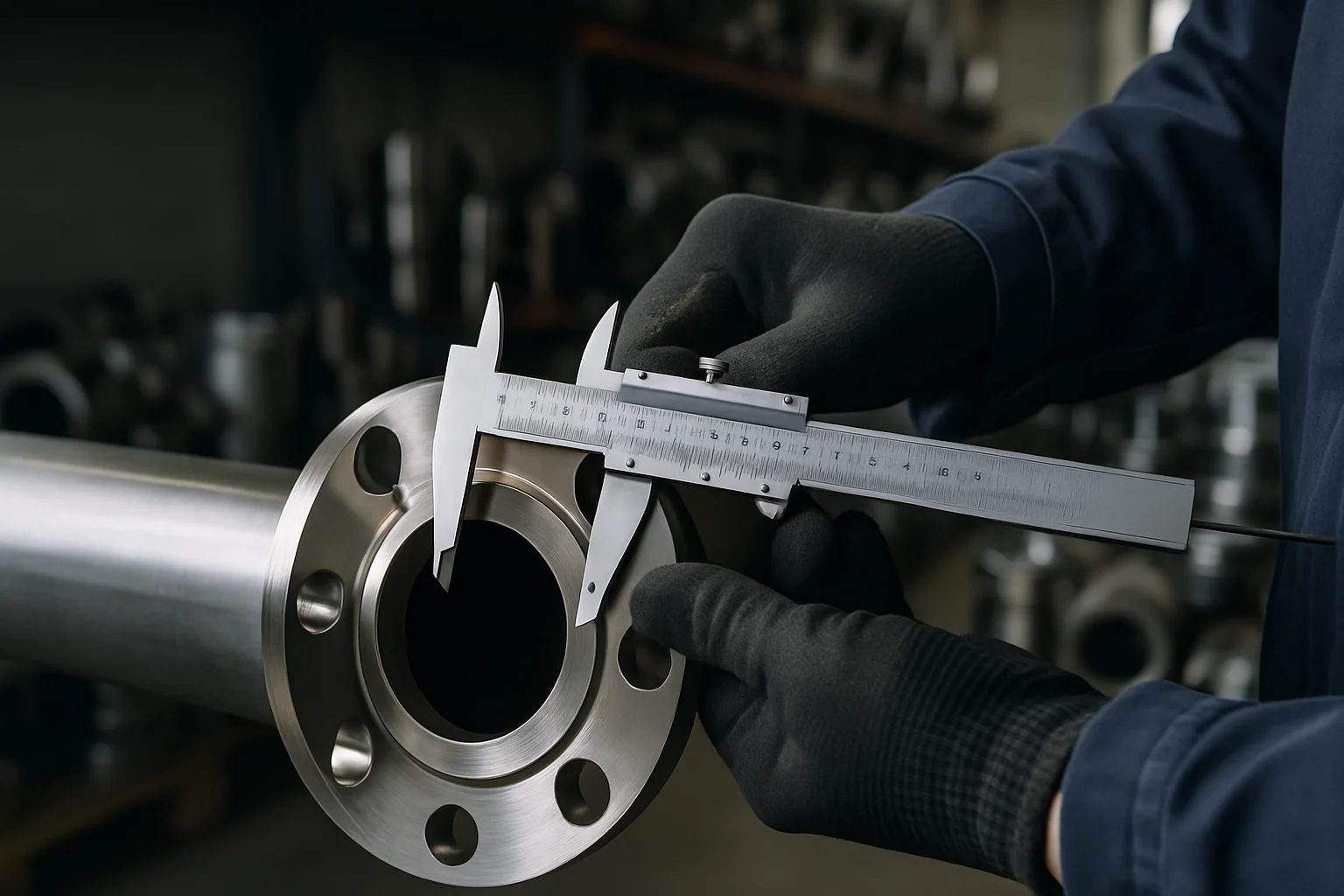
Stainless Steel 17-4PH (UNS S17400) Tubes
Stainless steel 17-4PH (UNS S17400, 1.4542) tubes, precipitation hardening martensitic grade, supplied by Riyaarth Overseas in H900 to H1150 conditions.
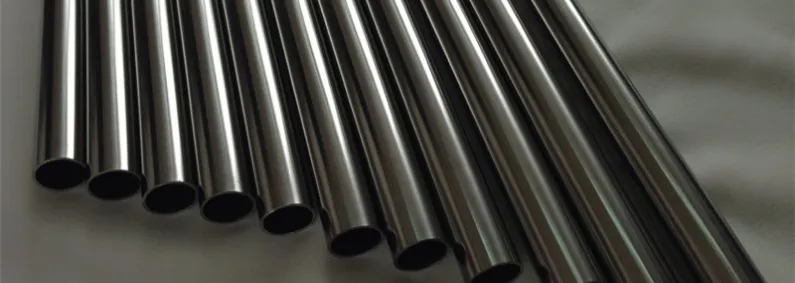
Stainless steel 17-4PH (UNS S17400, EN 1.4542, also called Type 630) is a precipitation hardening martensitic stainless steel with about 17% chromium, 4% nickel and 4% copper, plus niobium. After solution treatment, a single low temperature ageing treatment hardens the steel by precipitating copper rich particles, giving very high strength with corrosion resistance close to 304 in many environments.
17-4PH tubes are made as seamless hollows or bored from bar, and the material is normally specified to the chemistry and heat treatment conditions of ASTM A564 or AMS 5643, with tube dimensions to the buyer's drawing. Riyaarth Overseas supplies and exports 17-4PH tubes and hollow bars for aerospace, oil and gas and engineering parts.
Key Features
High strength: In condition H900 the minimum tensile strength is 1310 MPa, far above any annealed austenitic stainless steel.
Simple heat treatment: Ageing between about 480 °C and 620 °C after solution treatment sets the strength, with little distortion.
Corrosion resistance: Resistance is generally comparable to 304 in many atmospheric and mild chemical environments.
Range of conditions: Conditions H900 to H1150 allow strength, toughness and stress corrosion resistance to be balanced for the part.
Specifications
| Parameter | Details |
|---|---|
| Standards | Material to ASTM A564 / ASME SA564 (Type 630) and AMS 5643; tube dimensions to purchase order or drawing |
| Grade / UNS | UNS S17400, Type 630, EN 1.4542 |
| Outside diameter range | To order |
| Wall thickness / schedule | To order, as tube or hollow bar |
| Length | Random and cut lengths |
| Type | Seamless tube or bored hollow bar |
| Ends | Plain end |
| Form / finish | Condition A (solution treated), or aged to H900, H1025, H1075, H1100 or H1150; machined or pickled surface |
| Test certificate | EN 10204 3.1 mill test certificate as standard; EN 10204 3.2 with third-party inspection on request |
State the condition required at delivery. Parts that will be machined heavily are often bought in Condition A and aged after machining, while parts used as delivered are bought already aged to the required condition.
Chemical Composition
Limits per ASTM A564 for Type 630 (UNS S17400).
| Element | Composition (%) |
|---|---|
| Carbon (C) | 0.07 max |
| Manganese (Mn) | 1.00 max |
| Phosphorus (P) | 0.040 max |
| Sulphur (S) | 0.030 max |
| Silicon (Si) | 1.00 max |
| Chromium (Cr) | 15.0 – 17.5 |
| Nickel (Ni) | 3.0 – 5.0 |
| Copper (Cu) | 3.0 – 5.0 |
| Niobium + Tantalum (Nb + Ta) | 0.15 – 0.45 |
Mechanical Properties
Minimum values per ASTM A564 for the three most used conditions.
| Property | H900 | H1025 | H1150 |
|---|---|---|---|
| Tensile strength, min | 1310 MPa (190 ksi) | 1070 MPa (155 ksi) | 930 MPa (135 ksi) |
| Yield strength (0.2%), min | 1170 MPa (170 ksi) | 1000 MPa (145 ksi) | 725 MPa (105 ksi) |
| Elongation in 50 mm, min | 10% | 12% | 16% |
| Hardness, min | HRC 40 | HRC 35 | HRC 28 |
Equivalent Grades
| System | Designation |
|---|---|
| UNS | S17400 |
| ASTM / AISI | Type 630 |
| EN / Werkstoff | 1.4542 (X5CrNiCuNb16-4) |
| JIS | SUS630 |
Type 630 and 17-4PH refer to the same alloy. 15-5PH (UNS S15500) is a related but different grade with better transverse toughness.
Testing and Inspection
17-4PH tubes are tested to the material standard and the buyer's purchase order.
- Chemical analysis: Heat and product analysis against ASTM A564 limits.
- Tensile and hardness tests: Performed in the ordered heat treated condition.
- Ultrasonic testing: For internal soundness of tubes and hollow bars, to the ordered acceptance level.
- Positive material identification: Confirms copper and nickel content.
- Impact test: Charpy testing on request, mainly for H1025 and H1150 conditions.
- Third-party inspection: Witness inspection with EN 10204 3.2 certification.
Certificates state the solution treatment and ageing temperatures and times, the mechanical results in the delivered condition and the hardness, so the buyer can confirm the material is fit for the part.
Why Choose Riyaarth Overseas
Riyaarth Overseas sources 17-4PH tubes and hollow bars from mills that control the solution treatment and ageing, and supplies them with EN 10204 3.1 certificates stating the condition. We cut to length for machining and pack for export. Send your drawing or size list for a fast quote.
Applications
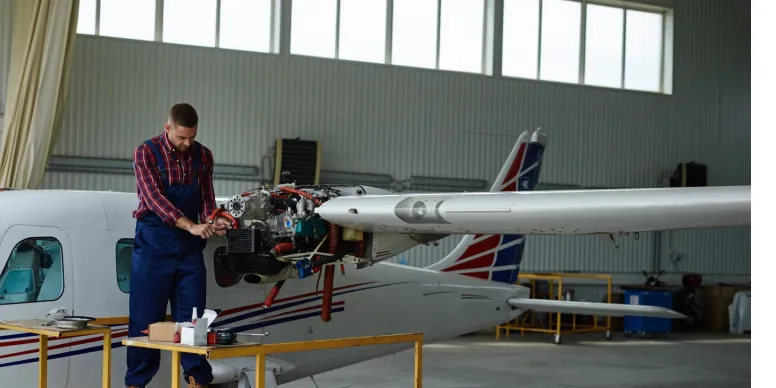
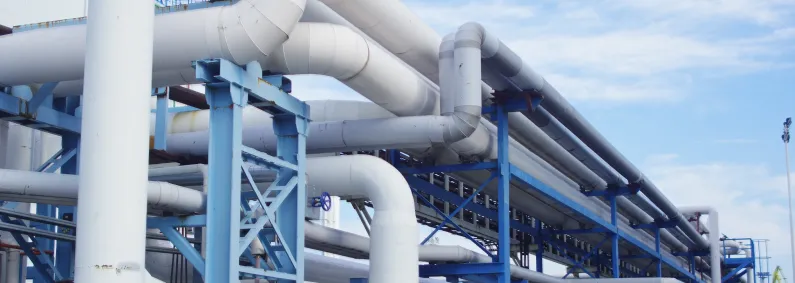
Frequently asked questions
What does H900 or H1150 mean?
The number is the ageing temperature in degrees Fahrenheit. H900 is aged at about 482 °C for the highest strength, while H1150 is aged at about 621 °C for lower strength, better toughness and better resistance to stress corrosion cracking.
Is 17-4PH magnetic?
Yes. 17-4PH is martensitic and is magnetic in both the solution treated and aged conditions.
Which standard covers 17-4PH?
Bars and shapes are covered by ASTM A564 (Type 630) and AMS 5643; plate, sheet and strip by ASTM A693. Tubes are usually ordered to the material chemistry and condition of these standards with dimensions to the buyer's drawing.
How does 17-4PH compare with 316 for corrosion?
17-4PH has corrosion resistance broadly similar to 304 and lower than 316 in chloride environments, but much higher strength than either.