
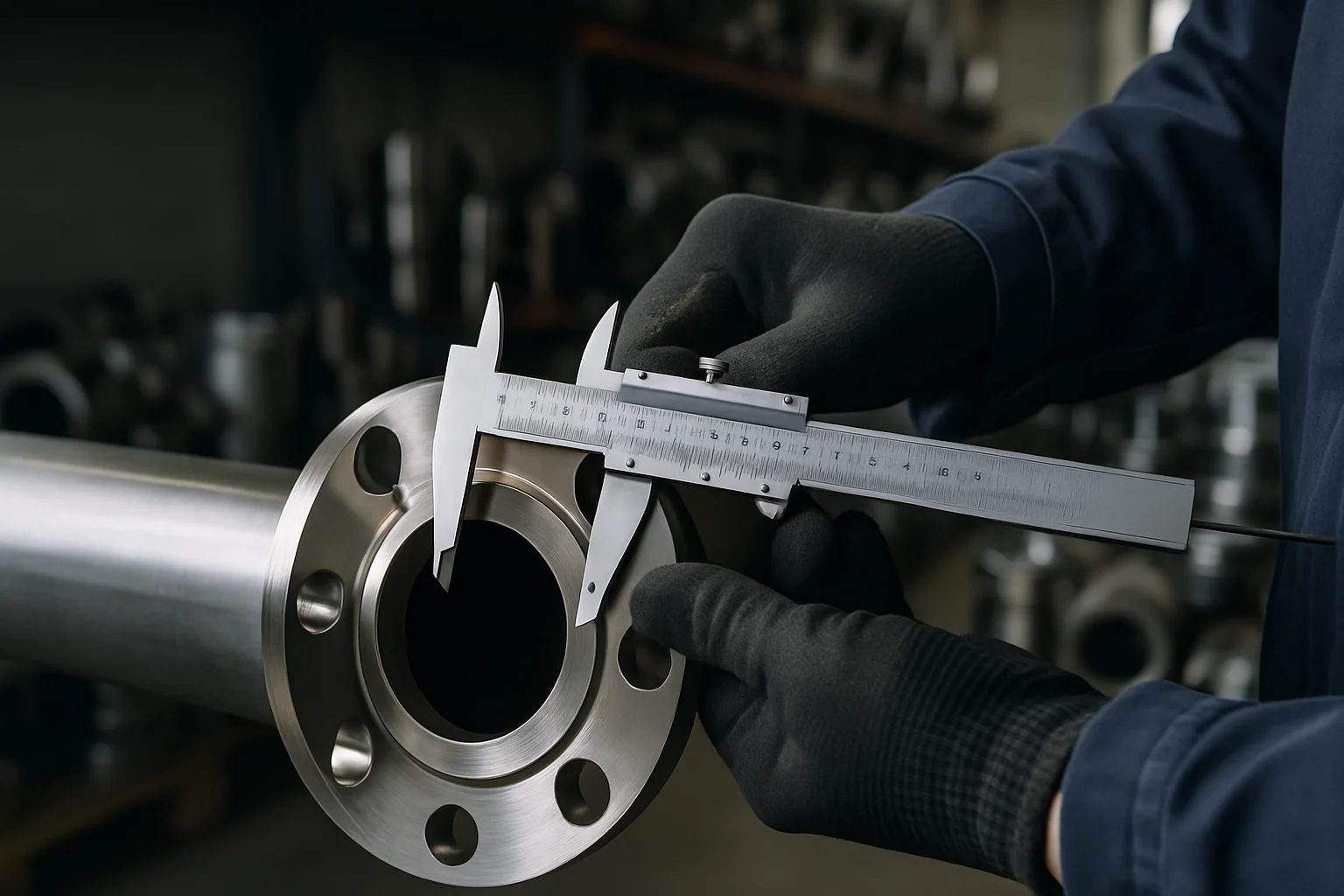
ASTM A213 T92 Alloy Steel Tubes
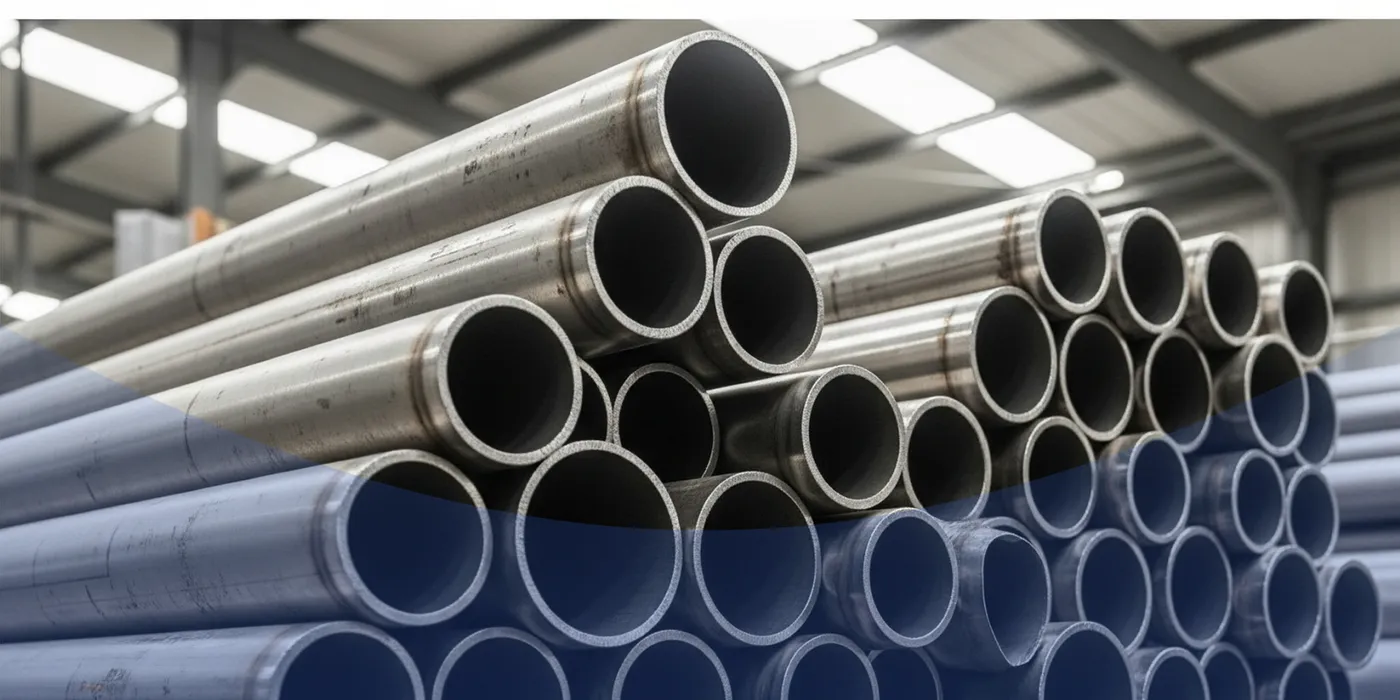
ASTM A213 T92 seamless 9Cr-2W tungsten modified creep resistant tubes for ultra-supercritical boilers, supplied and exported by Riyaarth Overseas, Mumbai.
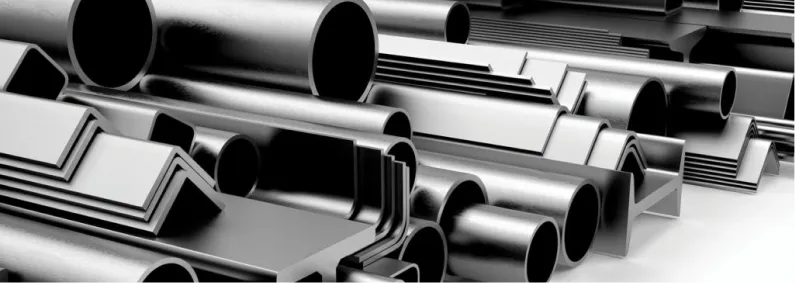
ASTM A213 T92 tubes are seamless 9% chromium alloy steel tubes in which part of the molybdenum is replaced by about 1.5 – 2.0% tungsten, with small additions of vanadium, niobium, nitrogen and boron. Grade T92 (UNS K92460) was developed as NF616 and is the next step up from T91, with higher creep rupture strength at 600°C and above.
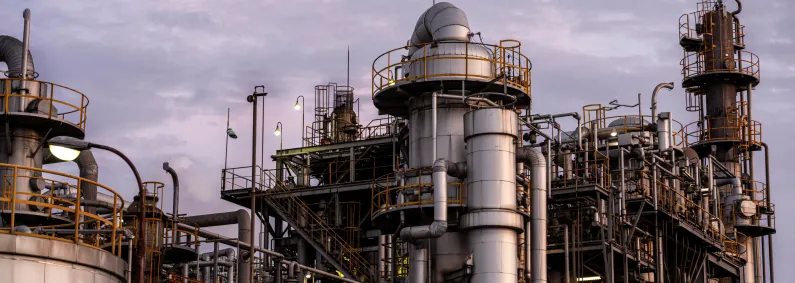
Boiler designers use T92 in ultra-supercritical plants where steam temperatures and pressures exceed what T91 can handle at a sensible wall thickness. Like T91, it is supplied normalised and tempered and needs close control of welding and post-weld heat treatment. Riyaarth Overseas supplies and exports ASTM A213 T92 tubes from established mill sources, with full chemistry, heat treatment and test records.
Key Features
Highest creep strength in the 9Cr family: Tungsten and boron raise creep rupture strength above T91, allowing thinner walls at the same pressure.
Higher strength minimums: Minimum tensile 620 MPa and yield 440 MPa, against 585 and 415 MPa for T91.
Steam oxidation resistance: About 9% chromium gives oxidation resistance similar to T91 in superheater service.
Weight and stress savings: Thinner walls reduce weight and thermal stress in headers and tube bundles.
Specifications
| Specification | Details |
|---|---|
| Standard | ASTM A213 / ASME SA213 |
| Grade / UNS | Grade T92 / UNS K92460 |
| Outside diameter range | 3.2 mm to 127 mm (1/8 in to 5 in), the range covered by ASTM A213 |
| Wall thickness | 0.4 mm to 12.7 mm (0.015 in to 0.500 in), minimum or average wall |
| Length | Random lengths, fixed lengths and U-bent tubes to drawing |
| Type | Seamless, hot finished or cold drawn |
| Heat treatment | Normalised and tempered |
| Ends | Plain ends, square cut, deburred |
| Form / finish | Round; black, pickled or varnished outside, as ordered |
| Test certificate | EN 10204 3.1; 3.2 with third-party inspection (TPI) on request |
Chemical Composition
| Element | Composition (%) |
|---|---|
| Carbon (C) | 0.07 – 0.13 |
| Manganese (Mn) | 0.30 – 0.60 |
| Phosphorus (P) | 0.020 max |
| Sulphur (S) | 0.010 max |
| Silicon (Si) | 0.50 max |
| Chromium (Cr) | 8.50 – 9.50 |
| Molybdenum (Mo) | 0.30 – 0.60 |
| Tungsten (W) | 1.50 – 2.00 |
| Nickel (Ni) | 0.40 max |
| Vanadium (V) | 0.15 – 0.25 |
| Niobium (Nb) | 0.04 – 0.09 |
| Nitrogen (N) | 0.030 – 0.070 |
| Boron (B) | 0.001 – 0.006 |
| Aluminium (Al) | 0.02 max |
| Titanium (Ti) | 0.01 max |
| Zirconium (Zr) | 0.01 max |
Mechanical Properties
| Property | Value |
|---|---|
| Tensile strength | 620 MPa (90 ksi) min |
| Yield strength | 440 MPa (64 ksi) min |
| Elongation in 50 mm | 20% min |
| Hardness | 250 HBW max |
Equivalent Grades
| System | Equivalent |
|---|---|
| UNS | K92460 |
| ASME | SA213 T92 |
| EN 10216-2 | X10CrWMoVNb9-2 (1.4901) |
| Developmental name | NF616 |
Testing and Inspection
Creep strength enhanced ferritic steels need tighter control than plain chrome-moly grades. Testing to ASTM A213 / A1016 and the order includes:
- Hydrostatic or non-destructive electric test: on every length, with ultrasonic testing commonly specified for power plant use.
- Tensile and hardness tests: to confirm strength and that hardness is within limits after normalising and tempering.
- Flattening and flaring tests: to confirm ductility.
- Positive material identification (PMI): to confirm Cr, Mo and the micro-alloying elements on every length.
- Heat treatment records: normalising and tempering temperatures and times on the mill certificate.
- Third-party and IBR inspection: available on request for boiler applications in India.
Why Choose Riyaarth Overseas
Riyaarth Overseas sources ASTM A213 T92 tubes from established mills experienced in tungsten modified 9Cr steels. Every supply comes with EN 10204 3.1 certificates, heat treatment records and PMI, and 3.2 or IBR inspection can be arranged. Tubes are supplied in cut lengths and packed for export. Send your size list for a quote.
Applications
Frequently asked questions
How is T92 different from T91?
T92 replaces part of the molybdenum with about 1.5 – 2.0% tungsten and adds boron. This raises creep rupture strength, so T92 is used at higher temperatures or with thinner walls than T91.
What is NF616?
NF616 is the name under which grade 92 steel was developed in Japan. It was later standardised as ASTM A213 T92 and A335 P92.
Can T92 be welded to T91?
Yes, dissimilar welds between T92 and T91 are common. The filler and post-weld heat treatment must be chosen to suit both materials and the design code.
Is there an EN equivalent to T92?
Yes. EN 10216-2 grade X10CrWMoVNb9-2 (1.4901) is the European equivalent of T92.