
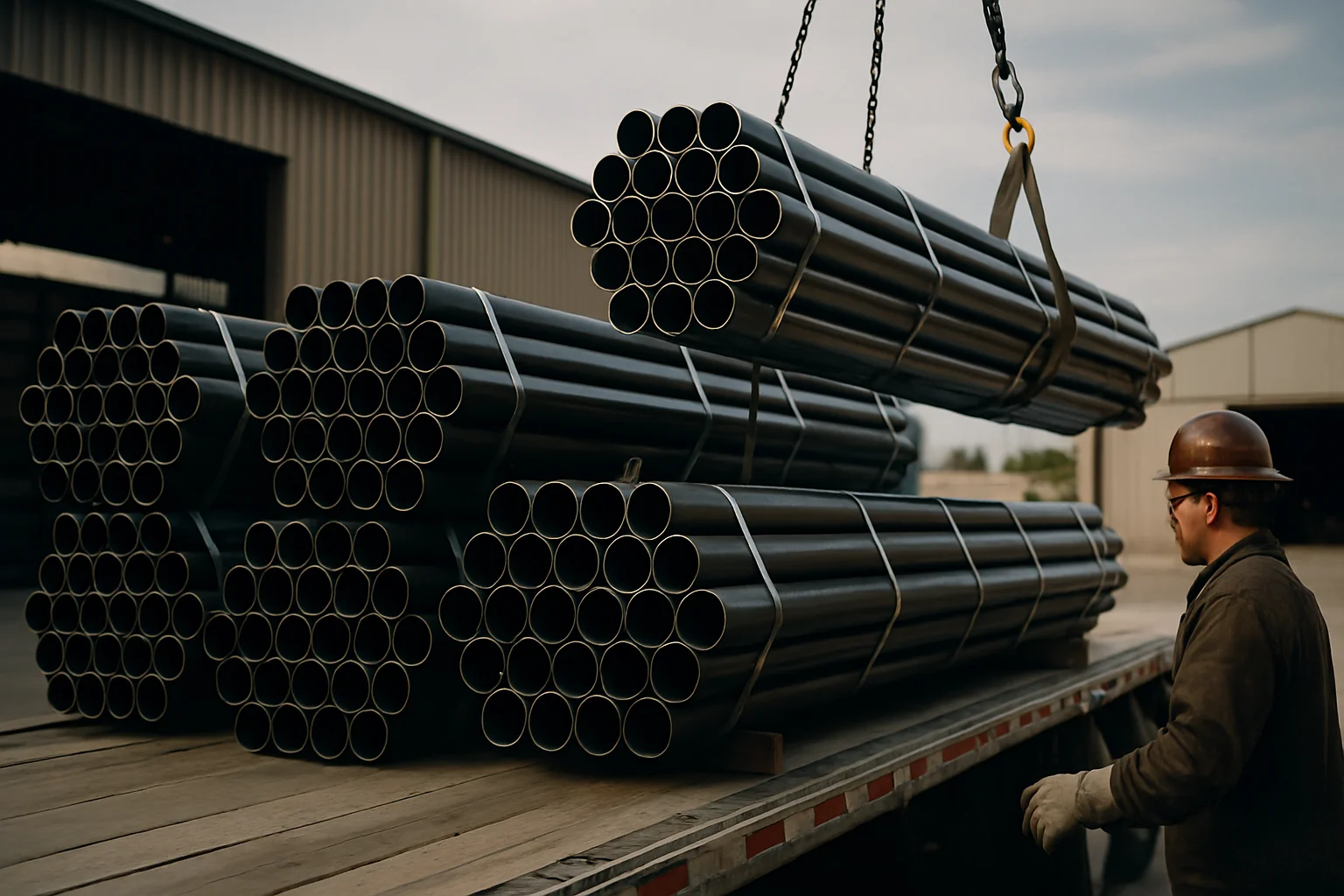
ASTM A333 Grade 6 (LTCS) Pipes
ASTM A333 Grade 6 low temperature carbon steel (LTCS) pipes, seamless and welded, impact tested at -45 °C, supplied and exported by Riyaarth Overseas, Mumbai.
ASTM A333 covers seamless and welded carbon and alloy steel pipe intended for use at low temperatures. Grade 6 is the carbon-manganese grade of the specification and is the material usually meant when engineers say LTCS pipe (low temperature carbon steel). It is a fully killed, fine grain steel that must pass Charpy V-notch impact tests at -45 °C (-50 °F), so it stays tough where ordinary carbon steel pipe such as A106 Grade B could fracture in a brittle way.
Grade 6 pipe is made seamless or welded without filler metal, and is normalised, or normalised and tempered, or given another heat treatment allowed by the standard to secure the impact properties. ASME SA-333 is the code version used in pressure piping designed to ASME B31.3. Many mills dual-certify A333 Grade 6 with A106 Grade B and API 5L where chemistry and tests allow.
Riyaarth Overseas supplies and exports ASTM A333 Grade 6 pipes in seamless and welded form, along with matching low temperature fittings and flanges on request.
Key Features
Impact tested at -45 °C: Every heat is Charpy tested at -45 °C, which confirms toughness for cold climate and refrigerated service.
Fine grain, killed steel: Silicon of at least 0.10% and controlled heat treatment give a fine grain structure with stable low temperature behaviour.
Good weldability: Carbon of 0.30% max and limits on residual elements keep the carbon equivalent workable for field welding with qualified procedures.
Wide size coverage: Available in the common ASME B36.10M sizes and schedules, so it can replace A106 pipe directly in a line that needs low temperature rating.
Specifications
| Item | Details |
|---|---|
| Standard | ASTM A333 / ASME SA-333 |
| Grade | Grade 6 |
| Outside diameter | Common NPS sizes per ASME B36.10M; larger sizes in welded form |
| Wall thickness / schedule | Sch 10 to Sch 160, STD, XS, XXS |
| Length | Single random, double random and cut lengths |
| Type | Seamless; welded (ERW or other processes without filler metal) |
| Ends | Plain ends, bevelled ends |
| Form / finish | Normalised (or normalised and tempered); black varnish, bare or as ordered |
| Impact test | Charpy V-notch at -45 °C (-50 °F) |
| Test certificate | EN 10204 3.1 standard; EN 10204 3.2 with third-party witness on request |
Chemical Composition
| Element | Composition (%) |
|---|---|
| Carbon (C) | 0.30 max |
| Manganese (Mn) | 0.29 – 1.06 |
| Phosphorus (P) | 0.025 max |
| Sulphur (S) | 0.025 max |
| Silicon (Si) | 0.10 min |
| Nickel (Ni) | 0.40 max |
| Chromium (Cr) | 0.30 max |
| Copper (Cu) | 0.40 max |
| Molybdenum (Mo) | 0.12 max |
| Vanadium (V) | 0.05 max |
Mechanical Properties
| Property | Value |
|---|---|
| Tensile strength | 60 ksi (415 MPa) min |
| Yield strength | 35 ksi (240 MPa) min |
| Elongation in 2 in., longitudinal | 30% min (basic value) |
| Charpy impact at -45 °C, full size | 18 J (13 ft-lbf) average of three; 14 J (10 ft-lbf) min single |
Equivalent Grades
ASTM A333 Grade 6 has no exact foreign equivalent, because impact test temperature and acceptance values differ between standards. Close European options for low temperature pipe are EN 10216-4 P265NL (seamless) and EN 10217-6 P265NL (welded). In practice many mills dual-certify A333 Grade 6 with ASTM A106 Grade B and API 5L Grade B.
Testing and Inspection
Testing follows ASTM A333 and the general requirements of ASTM A999.
- Charpy impact test: V-notch impact test at -45 °C on each heat and heat treatment lot.
- Hydrostatic or NDE: Each length is hydrostatically tested or passed through a non-destructive electric test.
- Tensile test: Tensile, yield and elongation checked per lot.
- Flattening test: Flattening test on seamless and welded pipe as required by the specification.
- Ultrasonic testing: Full-body ultrasonic testing when ordered as a supplementary requirement.
- Third-party inspection: Witness inspection by the buyer or a nominated agency.
Why Choose Riyaarth Overseas
Riyaarth Overseas supplies ASTM A333 Grade 6 pipes from ready stock and established mill sources, and can arrange cut lengths, bevelling and end protection to suit your project. Every shipment carries EN 10204 3.1 mill test certificates with full heat traceability, and material is bundled and marked for export. Send your size list for a fast quotation.
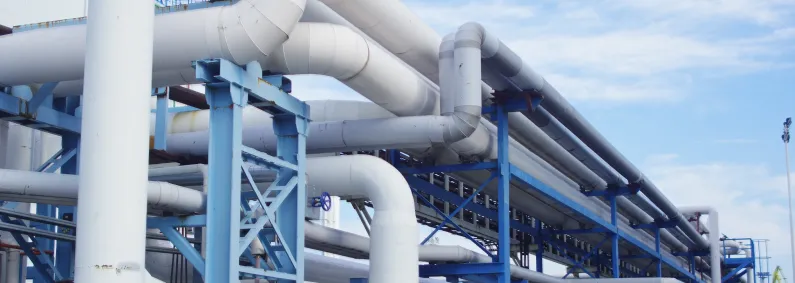
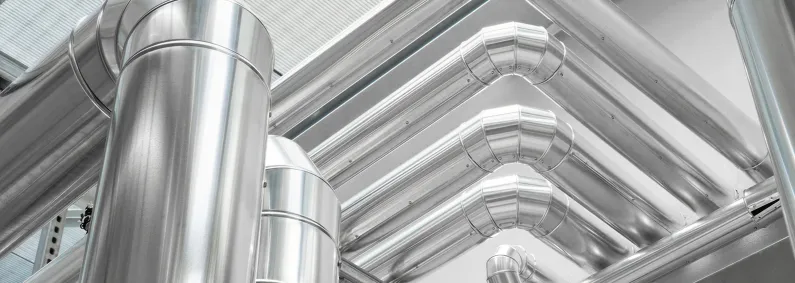
Applications
Frequently asked questions
What does LTCS mean?
LTCS stands for low temperature carbon steel. In piping it usually means ASTM A333 Grade 6 pipe, impact tested at -45 °C.
Can A333 Grade 6 replace A106 Grade B?
Yes, in most cases. Grade 6 meets similar strength levels and adds impact testing, so it is often used where the design temperature is below the limit for A106 Grade B.
At what temperature is A333 Grade 6 impact tested?
The standard test temperature for Grade 6 is -45 °C (-50 °F).
Is A333 Grade 6 available in welded form?
Yes. The specification allows seamless pipe and pipe welded without the addition of filler metal.