
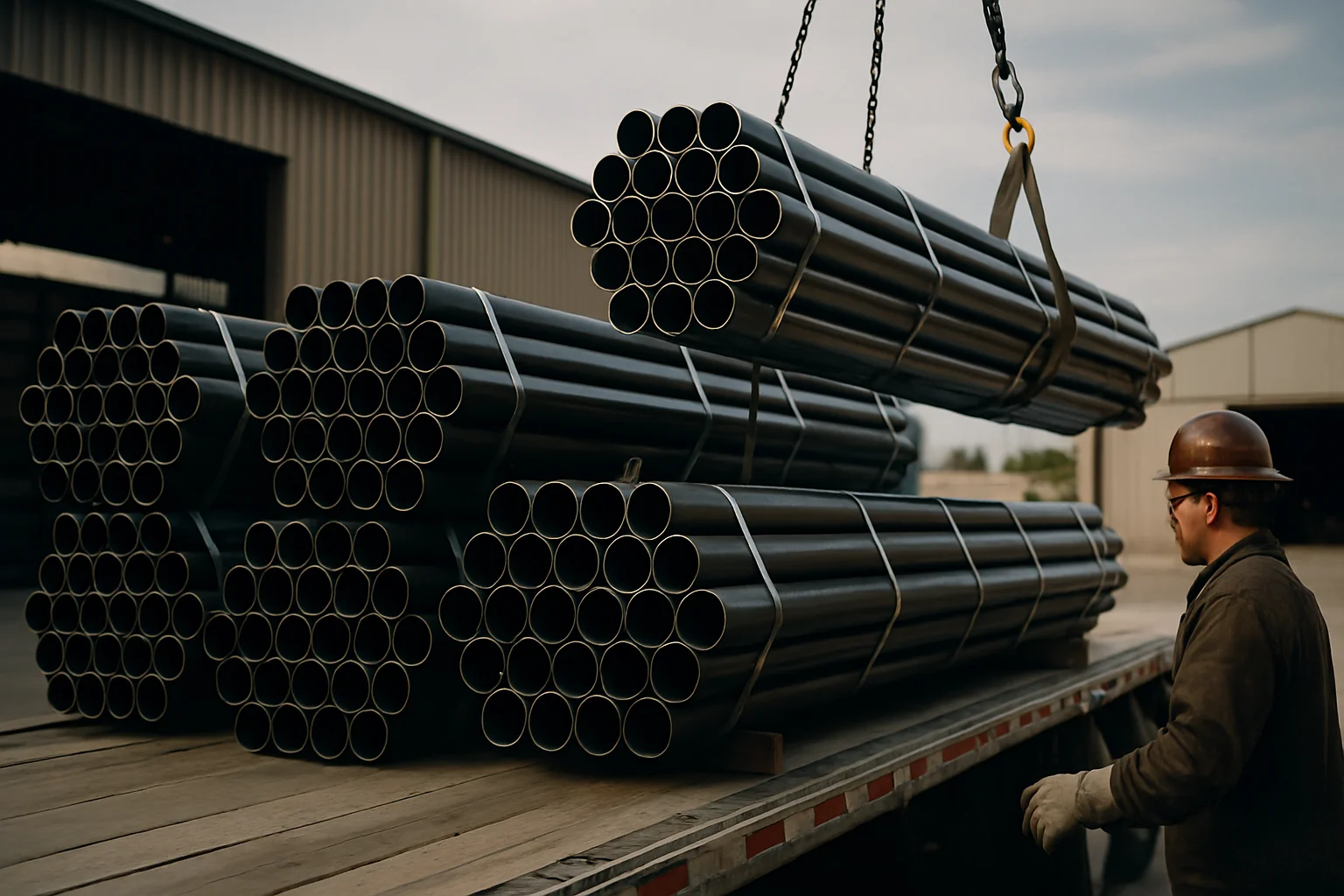
JIS STKM 13C Carbon Steel Tubes
JIS G 3445 STKM 13C cold finished carbon steel tubes, 510 MPa minimum tensile, for hydraulic cylinders and machine parts, from Riyaarth Overseas.
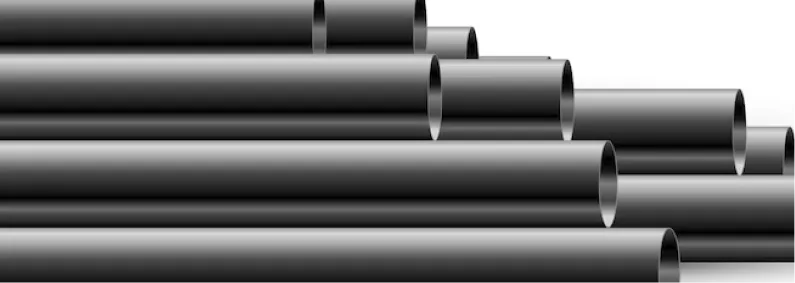
JIS STKM 13C is the highest strength grade in the STKM 13 group of JIS G 3445, the Japanese standard for carbon steel tubes for machine structural purposes. It has the same chemical limits as STKM 13A, but cold working raises its minimum tensile strength to 510 MPa and its yield strength to 380 MPa. Because of this, STKM 13C is usually supplied as a cold finished tube.
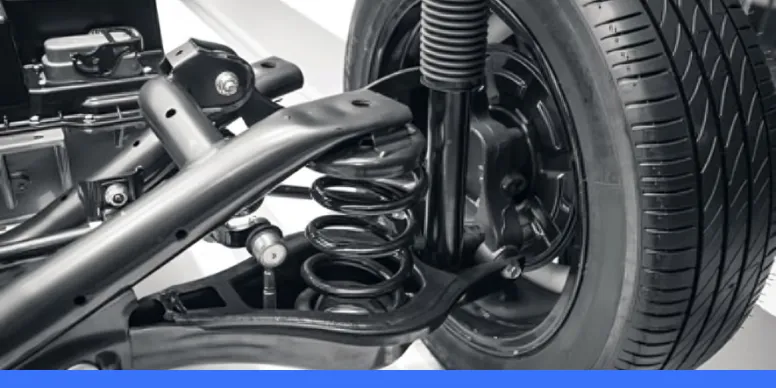
Designers use STKM 13C where a lighter wall must carry more load, for example hydraulic cylinder tubes, shock absorber bodies and high strength shafts. The cold finished surface and tighter tolerances also reduce machining. Riyaarth Overseas supplies and exports JIS STKM 13C tubes from established mill sources, with mill test certificates and cut lengths on request.
Key Features
High strength from cold work: Minimum tensile 510 MPa and yield 380 MPa allow thinner walls and lighter parts than STKM 13A.
Cold finished accuracy: Cold drawing gives tighter diameter and wall tolerances and a smooth surface, suitable for honing or skiving.
Same weldable chemistry as 13A: Carbon 0.25% max and manganese 0.30 – 0.90% keep the steel weldable, though welding locally softens the cold worked zone.
Reduced machining: Accurate sizes mean less stock removal for cylinder barrels and sleeves.
Specifications
| Specification | Details |
|---|---|
| Standard | JIS G 3445 |
| Grade | STKM 13C |
| Outside diameter range | As per enquiry; dimensional tolerances to JIS G 3445 |
| Wall thickness | As per enquiry; tolerances to JIS G 3445 |
| Length | Random lengths, fixed lengths and cut pieces |
| Type | Cold finished seamless (-S-C) or cold finished electric resistance welded (-E-C) |
| Ends | Plain ends, square cut, deburred |
| Form / finish | Round; bright, oiled |
| Test certificate | EN 10204 3.1; 3.2 with third-party inspection on request |
Chemical Composition
| Element | Composition (%) |
|---|---|
| Carbon (C) | 0.25 max |
| Silicon (Si) | 0.35 max |
| Manganese (Mn) | 0.30 – 0.90 |
| Phosphorus (P) | 0.040 max |
| Sulphur (S) | 0.040 max |
Mechanical Properties
| Property | Value |
|---|---|
| Tensile strength | 510 MPa min |
| Yield strength | 380 MPa min |
| Elongation (longitudinal) | 15% min |
| Density | 7.85 g/cm³ |
Values are from JIS G 3445 for the longitudinal test piece. Elongation is lower than STKM 13A because of the cold work.
Equivalent Grades
No exact foreign equivalent is established for STKM 13C. In strength it is sometimes compared with EN 10305-1 grades in the cold drawn (+C) condition, but the standards set different chemistry and properties, so substitutions should be checked case by case.
Testing and Inspection
Testing follows JIS G 3445 and any added order requirements:
- Chemical analysis: confirmation of heat chemistry.
- Tensile test: tensile strength, yield strength and elongation.
- Flattening test: to check ductility after cold work.
- Eddy current or ultrasonic testing: for surface and internal defects when specified.
- Dimensional checks: outside and inside diameter, wall thickness, ovality and straightness.
- Third-party inspection: on request.
Why Choose Riyaarth Overseas
Riyaarth Overseas sources cold finished STKM 13C tubes from established precision tube mills and can supply cut lengths ready for machining. Shipments include EN 10204 3.1 mill test certificates and are packed for export with end caps and protective wrapping. Send your sizes and tolerances for a quick quote.
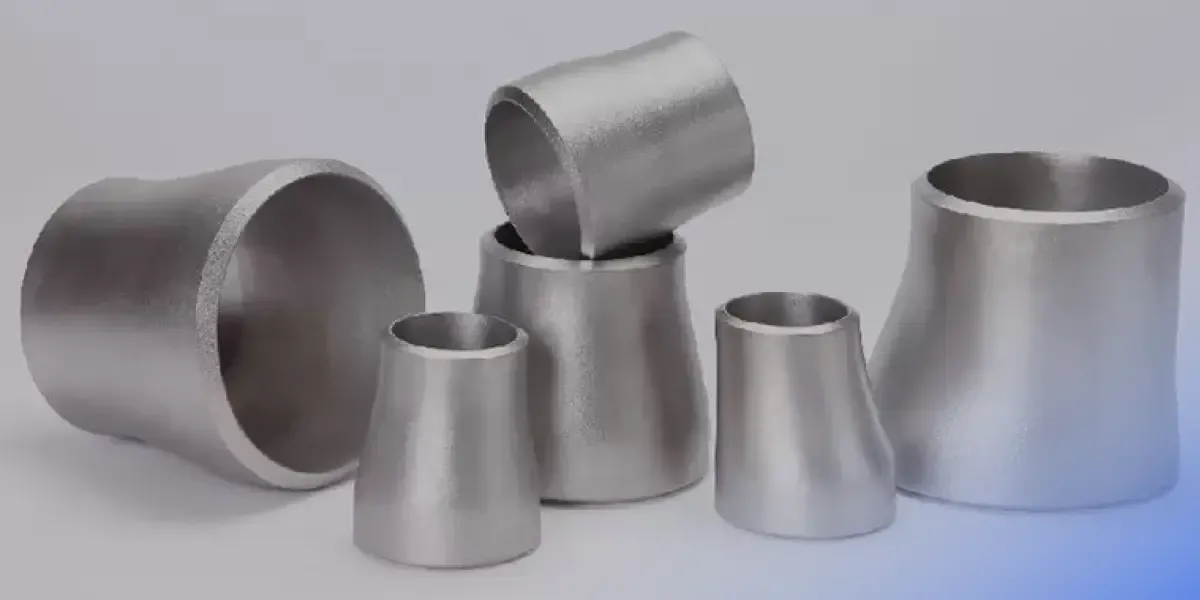
Applications
Frequently asked questions
Why is STKM 13C stronger than STKM 13A when the chemistry is the same?
STKM 13C gets its higher strength from cold working during drawing. The chemistry limits are identical, but the cold worked structure raises tensile and yield strength and lowers elongation.
Is STKM 13C suitable for hydraulic cylinder tubes?
Yes. It is commonly used for cylinder barrels that are later honed or skived and roller burnished, thanks to its strength and accurate sizes.
Does welding affect STKM 13C?
Welding heat softens the cold worked metal near the weld, so local strength drops. Designs should allow for this.
Can STKM 13C be bent?
It can be bent to moderate radii, but its lower elongation makes tight bends harder than with STKM 11A or 13A.